Get Full Government Meeting Transcripts, Videos, & Alerts Forever!
Get email alerts on the Education Scholarships topic
No spam. Unsubscribe anytime.
State board outlines scholarship and grant budgets; office asks for staff and program funding
Summary
The Office of the State Board of Education's Scholarships and Grants program requested funding for the Bridging and Underserved Educator Incentive program and a software engineer to maintain scholarship application systems; staff told the committee database maintenance and award timing drive variation in expenditures.
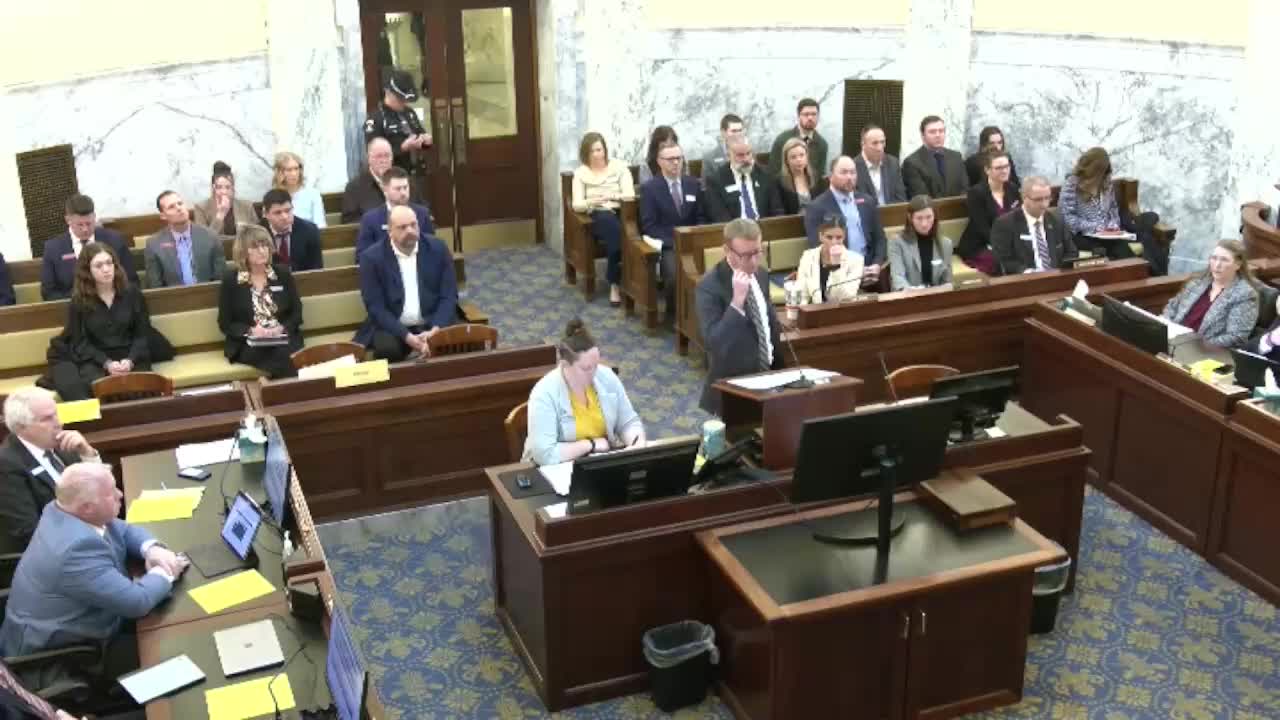
Kevin Campbell, a Legislative Services Office analyst, presented the Scholarships and Grants budget, noting the program administers five scholarship and grant programs on behalf of the State Board of Education and that nearly all program spending goes to trustee and benefit payments (scholarships), with roughly 0.5% in personnel costs.
Campbell told members that timing and award cycles cause expenditure variability, and that program spending can change with applicant counts and federal grant timing. The Opportunity Scholarship and the Bridging and Underserved Educator Incentive program have driven larger base budgets in recent years; the legislature added $7 million for Opportunity Scholarships in fiscal 2021 and has funded the educator incentive program beginning in fiscal 2023.
The office requested $1,375,000 in FY2026 for the Bridging and Underserved Educator Incentive program and a $124,000 request for a software engineer to maintain databases and public user interfaces for scholarship tools. Director Josh Whitworth told the committee some database and customer-service functions are borne by other State Board staff budgets but said the program faces a backlog of maintenance work and wants a permanent position to retain critical expertise.
Committee members asked about performance metrics and outcomes. Whitworth said staff will examine outcomes — such as whether the rural and underserved educator incentives are meeting recruitment and retention goals — and provide more data. The board said the agency would report back with details on recipients, rural/underserved definitions and retention outcomes.
Why it matters: scholarships and targeted educator incentives are part of the state's strategy to boost postsecondary access and to recruit teachers to rural and underserved districts. Committee members asked the office to return data on program outcomes and on whether the requested software-engineering position should be funded from existing vacant FTP or as a new ongoing position.