Get Full Government Meeting Transcripts, Videos, & Alerts Forever!
Get email alerts on the Deq Staffing And Permitting topic
No spam. Unsubscribe anytime.
DEQ warns permit delays and turnover are slowing projects; seeks targeted pay increases and staff stabilization
Summary
Idaho Department of Environmental Quality Director Jess Byrne told legislators high turnover and vacant technical positions have lengthened permit review times, and requested targeted pay adjustments and other measures to improve recruitment and retention while explaining ARPA and loan funding flows and the Bunker Hill basin remediation funding.
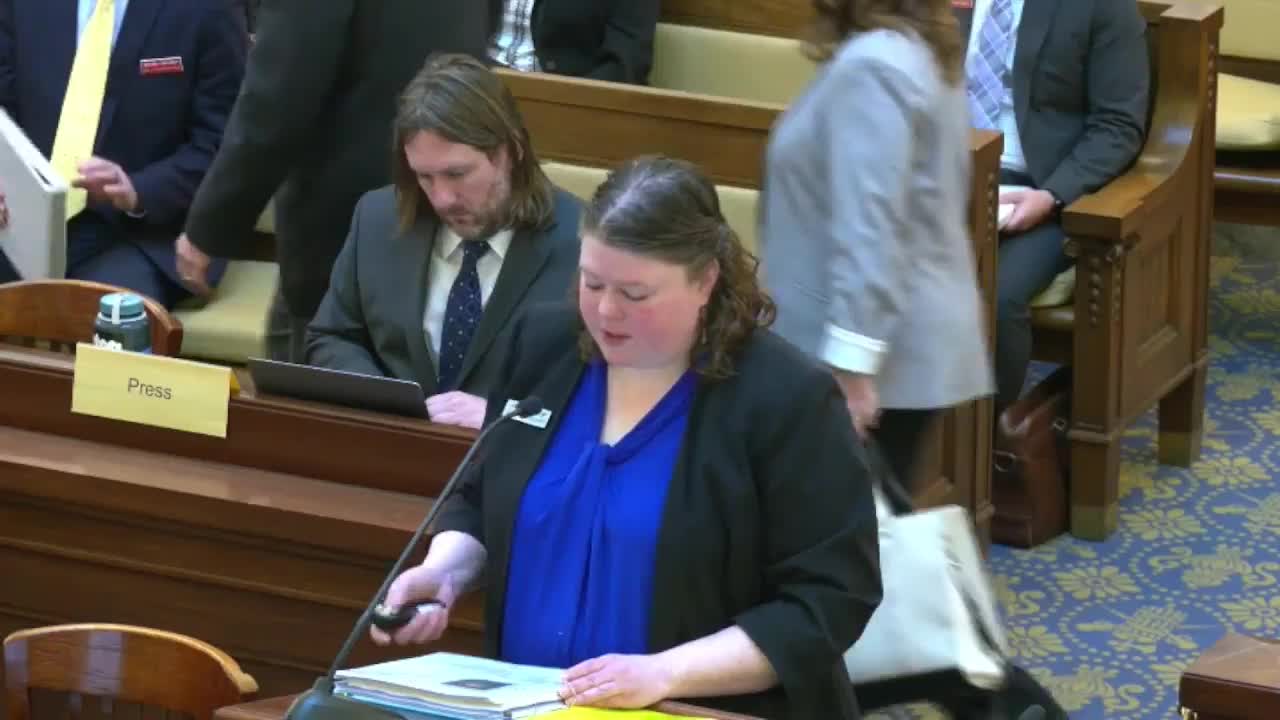
Director Jess Byrne and Department of Environmental Quality staff testified to the Joint Finance-Appropriations Committee that staffing shortages and turnover have lengthened permit processing times and are constraining the agency’s ability to deliver permitting and oversight services that support business and infrastructure projects.
The issue is material because permit speeds affect the timeline for new facilities and infrastructure. The department told lawmakers that targeted pay adjustments, combined with a compensation equity change (CEC) that the committee has already debated, are part of an effort to stabilize hiring and reduce turnover in technical permitting programs.
Janet Jessup, budget and policy analyst with legislative services, prefaced the DEQ presentation with a fund and staffing overview. She said DEQ is currently allocated about 385 FTP and had roughly 37 vacancies (about a 9.7% vacancy rate at the time of the budget submission). The agency reported spending about 85% of its personnel appropriation in 2024 and described recruitment and retention difficulties.
Director Byrne described performance and recruitment data and made the case for targeted pay increases. He said the agency has seen significant turnover in highly technical permit positions: in recent periods the air permitting program had about a 50% vacancy rate and the surface water individual permit program saw around a 60% vacancy rate. Byrne reported that the average time to issue an air quality permit rose in recent months (one cited figure moved from roughly 89 days to about 160 days for a sample month) and that average tenure for new hires over the past five years is about 2.8 years, which complicates training investment.
On recruitment strategy Byrne said the agency proposes raising entry‑level hiring comp ratios to about 83% and providing higher minimums for the most difficult classes (about 86%), combined with targeted adjustments for incumbent staff to address compression. Byrne said the combination of targeted increases and the committee‑approved CEC would make DEQ more competitive for specialized staff. “Pride doesn’t get permits out the door. Quality workers do,” Byrne said in closing remarks.
Legislators pressed Byrne on specifics: Senator Galloway requested documentation on how the department improved permit timeliness in the most recent year; Byrne offered to follow up with the committee. Senator Wintrow and others asked for more detail on the proposed pay plan and its program‑level distribution; Byrne said he would provide more granular plans through staff follow‑up.
Jessup also reviewed several DEQ funds and federal inflows. She highlighted that ARPA state fiscal recovery funds had increased trustee and benefit payments in recent years, and that the agency received federal Bipartisan Infrastructure Law allocations for drinking‑water and wastewater projects. Byrne explained why the state’s Water Pollution Control account (which receives transfers from a sales tax distribution) has grown and why the agency seeks periodic transfers from that account to the Bunker Hill basin remediation account; the agency’s long‑term goal is to build about $45 million in the basin remediation account to cover the state’s match and ongoing operation and maintenance obligations at the Bunker Hill Superfund Site.
On smaller program details, Jessup and Byrne explained the waste‑tire deficiency fund can end a fiscal year with a negative balance (a statutory feature of certain deficiency warrants) and is reconciled through appropriation actions; the negative balance shown in 2022 was later cleared through legislative action.
Byrne emphasized the agency is lean compared with historical staffing levels and said stabilizing compensation is intended to preserve state primacy over programs that otherwise could fall to federal oversight. He told the committee the department will provide detailed follow‑up materials on the targeted pay plan and permit data for members who requested them. No formal vote or appropriation was made during the hearing.
Ending: The committee asked DEQ to provide program‑level detail on the targeted pay increases and to supply further supporting permit‑timeliness data; staff follow‑up was promised by the director and legislative analysts.