Get Full Government Meeting Transcripts, Videos, & Alerts Forever!
Get email alerts on the Education Teacher Recognition topic
No spam. Unsubscribe anytime.
Third‑grade teacher Heidi Cornell honored as Idaho Teacher of the Year; describes classroom mission and professional‑learning work
Summary
Heidi Cornell, a third‑grade teacher at Orchards Elementary in Lewiston, was introduced to the House Committee on Education as Idaho’s 2025 Teacher of the Year and described her classroom philosophy, use of professional learning communities and community partnerships.
Superintendent Debbie Critchfield introduced Heidi Cornell, a third‑grade teacher at Orchards Elementary in the Lewiston School District, as Idaho’s 2025 Teacher of the Year during the House Committee on Education meeting.
Cornell opened by stating her mission: "My mission is that you feel deeply loved when you are with me." She described classroom practices and leadership work that contributed to the award, including her role leading a professional learning community (PLC) at her school and the school’s adoption of leadership practices drawn from the Leader in Me program.
Cornell said the PLC work helped teachers identify essential standards, create student‑friendly learning targets, write common formative assessments and coordinate interventions and enrichment to meet each student’s needs. She described school projects that connect students to the community, including a "Coins for a Cause" unit in which third graders research local nonprofits and write persuasive speeches to raise funds.
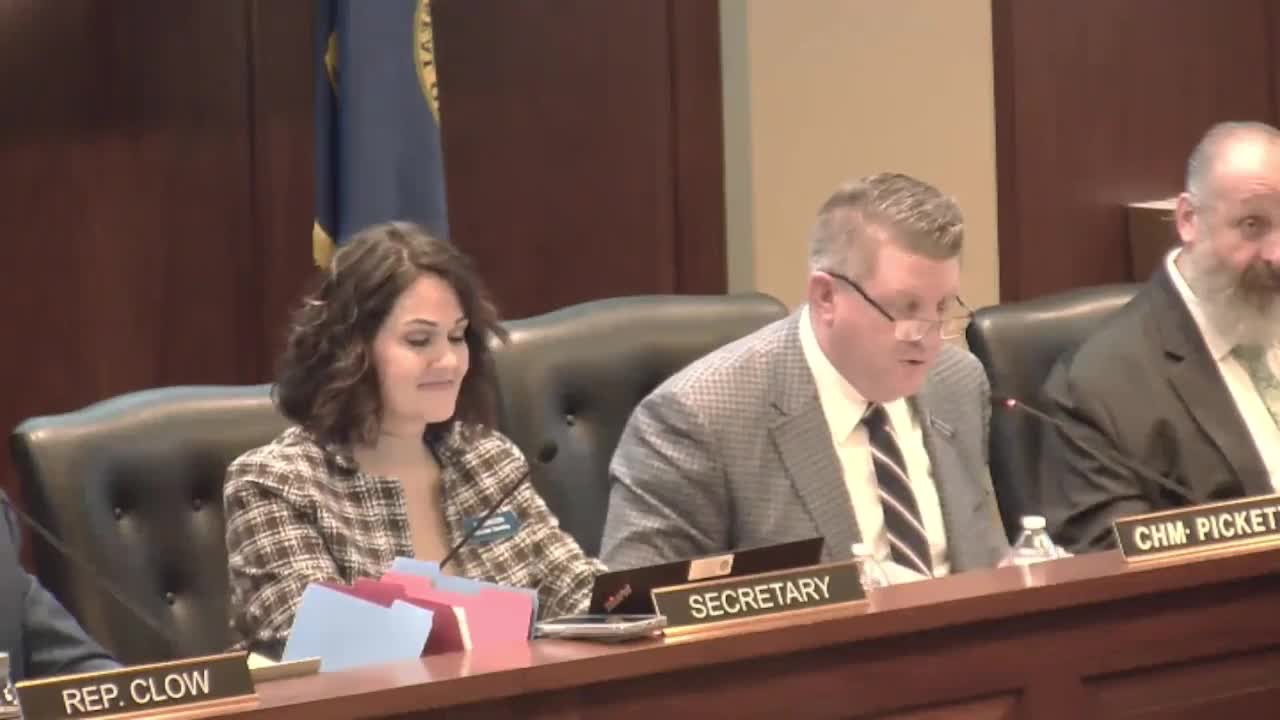
She thanked Superintendent Critchfield and noted a privately funded award provided by CapEd accompanies the state recognition. Committee members asked questions about implementation and costs. Representative Clow asked about Leader in Me; Cornell said the district implemented the program through a grant in prior years and that some practices remain in place even if the full program was scaled back because of cost. When Representative Nelson asked about the program’s expense, Cornell said she did not have current cost figures and that ongoing costs had contributed to scaling back implementation.
Committee members praised Cornell’s remarks and applauded her selection. Chair and members encouraged continued engagement between classroom teachers and policymakers. Cornell emphasized relationships and school‑community partnerships as the foundation of her approach: "When I remember love at the core of who I am and allow that to guide my practice, I can see people as people… build them up, find their strengths, and empower their weaknesses."
Why it matters: The presentation put a classroom teacher’s perspective directly before lawmakers as the committee considers policies related to early literacy and instructional supports. Cornell highlighted PLCs, community partnerships, and teacher leadership as tools to improve student outcomes.
What’s next: Committee members invited Cornell and other educators to return for future conversations about classroom needs and implementation details for programs that affect school practice and budgets.