Get Full Government Meeting Transcripts, Videos, & Alerts Forever!
Get email alerts on the Career Technical Education topic
No spam. Unsubscribe anytime.
JFAC hears request to expand CTE capacity, governor recommends $10 million for high‑demand programs
Summary
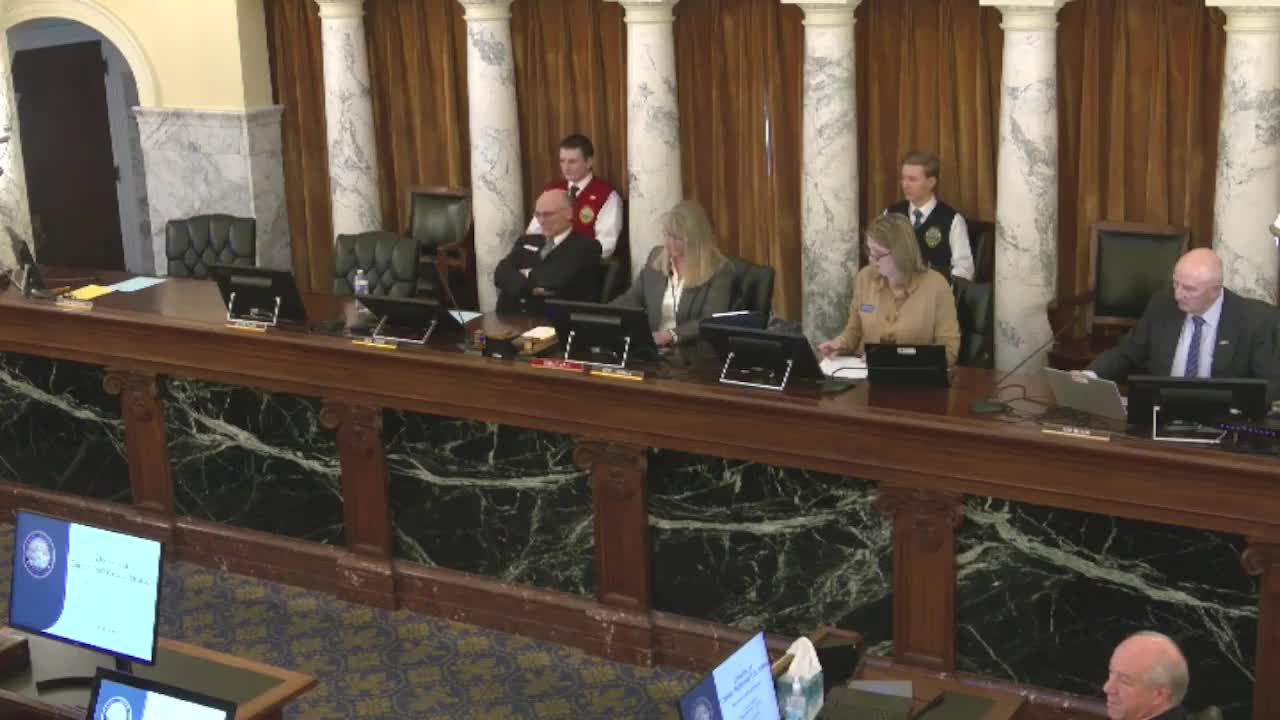
BOISE, Idaho — The Joint Finance‑Appropriations Committee on Feb. 10 heard an overview of the Division of Career Technical Education’s base budget and a series of FY2026 funding requests as lawmakers pressed officials about waitlists, faculty shortages and the role of industry partnerships.
BOISE, Idaho — The Joint Finance‑Appropriations Committee on Feb. 10 heard an overview of the Division of Career Technical Education’s base budget and a series of FY2026 funding requests as lawmakers pressed officials about waitlists, faculty shortages and the role of industry partnerships.
Kevin Campbell, a budget and policy analyst with the Legislative Services Office, told the committee CTE operates statewide across secondary schools, six technical colleges and adult education programs and that the division’s appropriations are concentrated in personnel and postsecondary instruction.
Joshua Whitworth, interim state administrator for the Career Technical Education division and executive director for the State Board, told lawmakers demand for CTE programs has surged. “We are seeing large demand across the entire career technical education ecosystem,” Whitworth said. He said the division can provide a list of currently oversubscribed postsecondary programs and that investments to date have helped but have not eliminated waitlists.
Why it matters: Lawmakers and CTE officials said shortages in trained faculty and usable facilities limit how many students can be enrolled in programs such as welding, nursing and mechatronics — fields lawmakers identified as key to Idaho employers’ needs. Committee members pressed for specifics about how the governor’s recommended funding would be allocated.
What CTE asked for and what was discussed
- Governor’s recommendation: Whitworth said the governor recommended $10,000,000 ongoing from the general fund “to continue building additional capacity in high demand CTE programs.” He described the proposed grant program as industry‑driven, requiring business partners to match funds and report outcomes so funding goes to programs with demonstrable employer demand.
- Other FY2026 requests: CTE requested $664,000 ongoing for additional instructors at technical colleges; $125,400 for a business‑industry engagement manager to help school districts and rural programs connect with employers; $50,000 for adult education and literacy; $700 in additional federal grant spending authority (noted in Campbell’s summary as a technical request); and a $3,000 one‑time computer for the proposed engagement manager.
- Earlier appropriations referenced: Campbell reviewed recent appropriations including $5,000,000 ongoing to support CTE readiness in middle and high schools, $10,000,000 one‑time for secondary CTE programs in FY2024, and one‑time equipment investments for postsecondary CTE.
Committee questions and staff responses
- Federal grants: Representative Petsky asked whether large federal grants were still available. Whitworth said the funding remains available but cautioned that the division must be “diligent about when we pull that down” and follow federal guidance on allowable expenditures.
- Waitlists and constraints: Representative Miller and others asked about waitlists and whether shortages were driven by facilities or faculty. Whitworth described the problem as threefold — student demand, sufficient faculty and adequate facilities — adding, “We see it actually on both” the faculty and facility sides.
- Business engagement manager: Lawmakers asked how the proposed engagement manager would differ from work by the Workforce Development Council. Whitworth said the position would be embedded to support school districts directly and help rural districts that cannot afford such staff to connect with local businesses and in‑kind partnerships such as equipment donations.
- Program demand: Senator Galloway and others pointed to welding and nursing as among the most oversubscribed programs. Whitworth said he would expand existing capacity at community and technical colleges rather than stand up new programs.
- Hazmat and motorcycle safety funds: Campbell described three dedicated funds the division uses: the Displaced Homemaker Fund (revenues from a $20 divorce fee) for career training; the Hazardous Materials and Waste Enforcement Fund (fees from hazardous materials trip and annual permits) used for firefighter hazmat training; and the Motorcycle Safety Fund (revenues from driver’s licenses, motorcycle registrations and safety course fees) directed to motorcycle safety training. Senator Bierke and Representative Tanner raised questions about a reported negative balance in the hazmat fund and whether motorcycle safety receipts were outpacing expenditures. Whitworth said staff would follow up with additional information and possible policy recommendations.
- Adult education and workplace English: Tracy Bent, CTE’s chief administrative officer, said the workplace English program “focuses heavily on adult basic education but also individuals that English is not their first language,” explaining it prepares learners for workforce entry.
What the $10 million would do (as described to the committee)
Whitworth described the $10 million as a flexible, industry‑paired grant intended to add ongoing capacity where demand is highest — for example, adding faculty lines, equipment and operational support at technical colleges. He said the intent is to require industry participation and matching commitments and to report on whether grants reduce oversubscriptions in targeted programs. Several lawmakers asked for more detail before the item would be defended on the chamber floor.
No formal actions or votes were taken during the CTE presentation.
Closing: Whitworth thanked lawmakers for past investments and praised the division’s staff, noting CTE’s role in supplying applied learning and workforce training statewide.