Get Full Government Meeting Transcripts, Videos, & Alerts Forever!
Get email alerts on the Endowment Investment Board Compensation topic
No spam. Unsubscribe anytime.
Endowment Fund board asks for $100,000 pay package for two investment staff; governor does not recommend raises
Summary
The Endowment Fund Investment Board requested roughly $100,000 to raise pay for two senior investment staff, citing market competitiveness and expanded portfolio complexity. The governor’s recommendation did not include the compensation increases, and board members told the Joint Finance‑Appropriations Committee they still support the request.
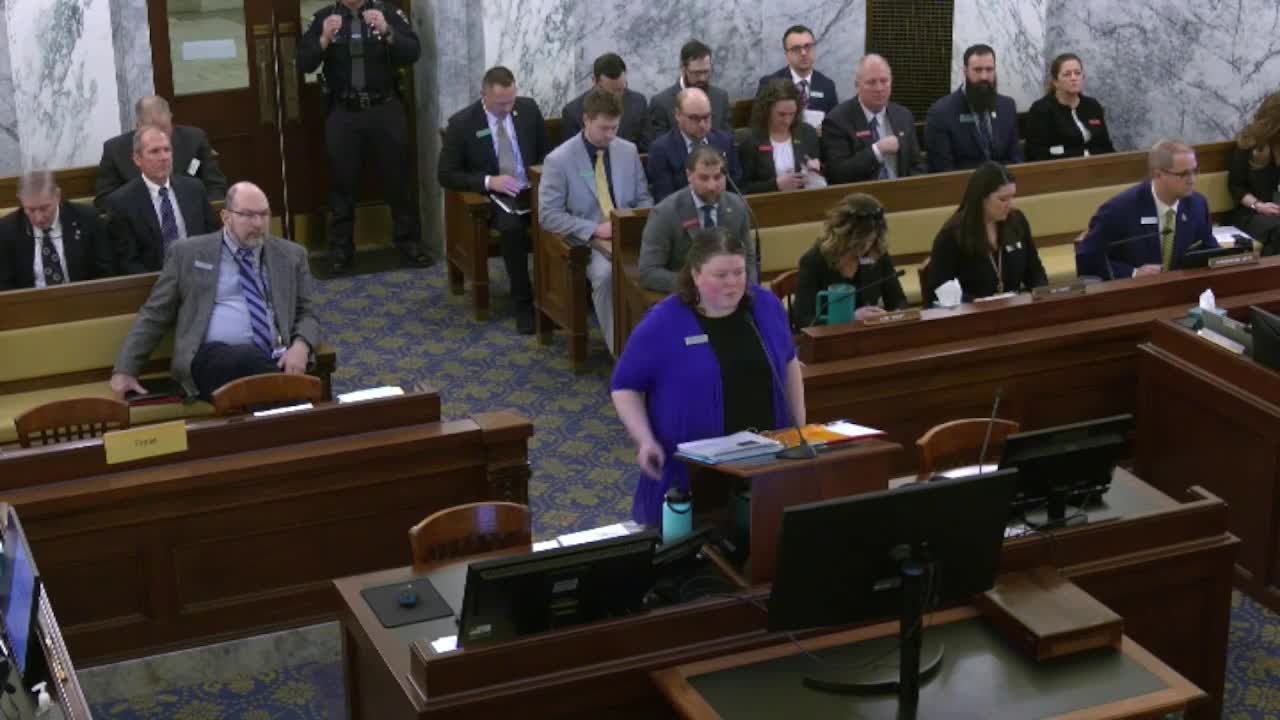
The Endowment Fund Investment Board told the Joint Finance‑Appropriations Committee that it is seeking roughly $100,000 in compensation increases aimed at two senior investment staff members.
Janet Jessup, budget and policy analyst with the Legislative Services Office, introduced the Endowment Fund Investment Board portion of the land‑board budgets and noted the board manages state endowments and related funds. Chris Anton, manager of investments for the Endowment Fund Investment Board, testified and said the board’s compensation committee and the board “stood behind” the recommendations submitted for the FY2026 budget.
Board chair Thomas Wilford described the history behind the request and the board’s rationale. “There's a long history on this enhancement. Enhancement goes back to the point when Chris Anton was hired,” Wilford said, and added that the board believes replacement costs would likely be higher than current pay if a senior staff member left.
Anton and Wilford said the board intends most of the requested increase to go to two long‑serving staff: Chris Halverson (described by Anton as effectively a deputy chief investment officer) and Chris Anton himself. Anton gave specific figures: the request included about $54,800 for Halverson and about $28,400 for Anton (totaling approximately the $100,000 the board referenced). Anton said Halverson had been in his position roughly 16–17 years and that the office now manages a far larger and more complex portfolio than when he was hired.
A representative of the governor’s office, Miss Wolfe, told the committee that Division of Human Resources (DHR) analysis shows Halverson’s pay was close to the policy rate for his pay grade, and that while the board’s market‑competitiveness concern is valid, the governor’s recommendation kept pay consistent with other state pay practices. Wolfe said the governor’s office recognizes such positions may not be competitive with the private market but recommended parity within state government pay scales.
Committee members asked whether the board had reached agreement with the governor’s office; Anton said the board had met with the governor’s office and DHR but had not reached a final agreement and that the board still supported its original recommendations. No formal appropriations or votes on the compensation request were recorded during the hearing.
The board and staff emphasized the growth of funds under management when justifying the request. Anton said the combined assets managed for endowment and other funds have grown from roughly $500 million in fixed income to about $5 billion across the Endowment Fund Investment Board and funds invested for the State Insurance Fund, and he argued the role and complexity of staff duties have increased accordingly.
The committee did not take action on the request at the hearing. Staff from the Endowment Fund Investment Board and Legislative Services remained available to respond to follow‑up questions.