Get Full Government Meeting Transcripts, Videos, & Alerts Forever!
Get email alerts on the Workforce Retention Cec topic
No spam. Unsubscribe anytime.
ITD seeks targeted wage increases and added frontline staff as retention lags; committee probes details
Summary
ITD described efforts to add frontline maintenance workers and raise pay for maintenance career paths, citing a multi‑year average of 78 maintenance departures a year and the need to reduce churn as the department implements training and CDL requirements.
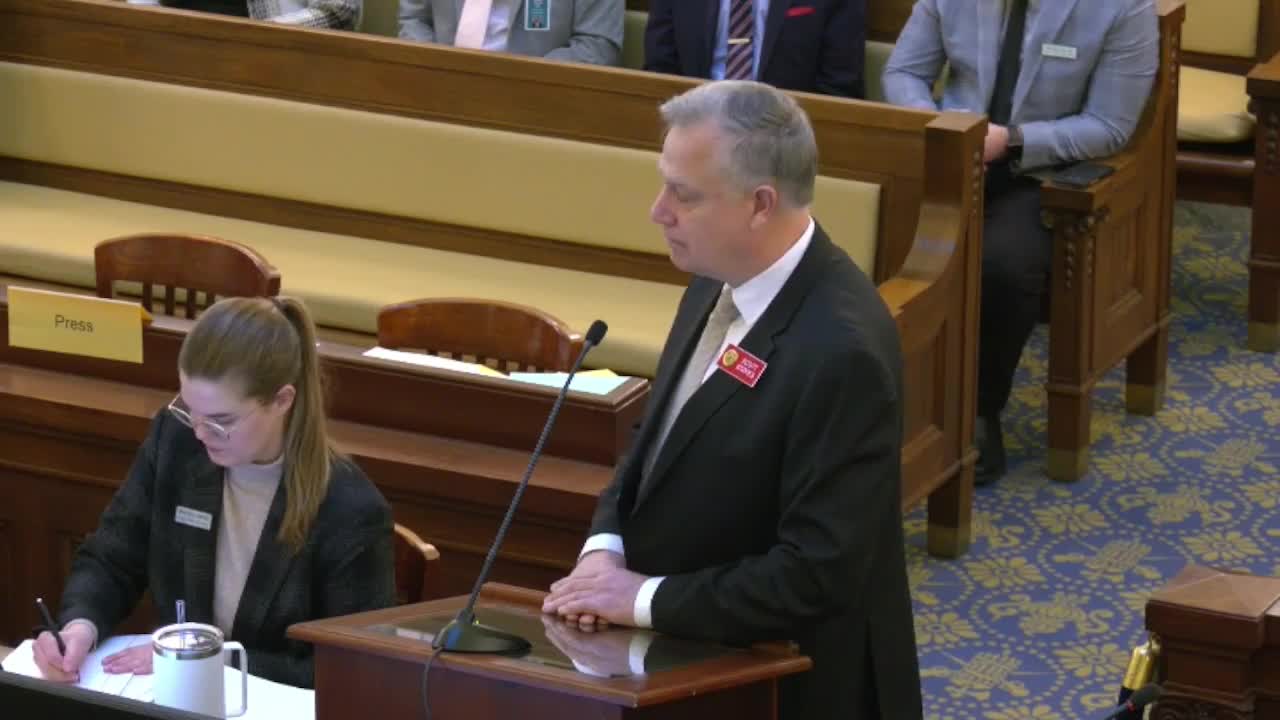
During the JFAC transportation budget hearing, Idaho Transportation Department leaders defended requests to add frontline positions and to raise pay steps for maintenance career paths, telling lawmakers the measures aim to improve retention and reduce training churn.
Brooke Dupree, the legislative budget analyst, reminded the committee that ITD received 53 new full‑time positions in the prior budget cycle for district maintenance and engineering assistants. Director Scott Stokes said the 53 positions were “all in district, frontline operational type positions,” and that recruitment had filled roughly 50 of those posts to date while ITD still reports roughly 60–70 vacancies overall in a department of about 1,600 employees.
Stokes and ITD staff described a targeted classified‑employee compensation (CEC) request that would raise maintenance horizontal career‑path pay steps by about $2.50 per hour across multiple steps rather than only at entry, to reduce turnover among entry‑level workers and avoid pay compression. The requested targeted CEC was described as affecting hundreds of maintenance positions; the budget book language discussed an adjustment affecting “transportation technicians” and “transportation operations team leaders.” Stokes said ITD has lost an average of about 78 maintenance workers a year in recent years and that turnover is concentrated among entry‑level hires who then require training, CDL certification and additional months of qualification.
Committee members pressed for detail on market comparisons and retention effects. Stokes said ITD researched pay comparisons with counties and cities and found many local employers paying $20–$25 per hour at entry for comparable maintenance roles, while ITD’s entry rate was lower. Senator Wintrow and Representative Mitchell asked whether pay increases would simply be matched by private or local government raises; Stokes said historically the horizontal career‑path adjustments improved retention and that longer‑tenured workers then demonstrate value through institutional knowledge.
Why it matters: ITD said the targeted CEC and new positions are designed to reduce turnover, shorten time spent training new hires (including CDL certification) and preserve institutional experience needed to respond to weather events and maintain roadway performance.
What comes next: Committee members asked ITD to provide more granular lists of software and recurring IT costs (a separate question from compensation) and requested follow‑up on recruitment outcomes, wage survey detail and how the proposed adjustments would interact with any statewide CEC action.