Get Full Government Meeting Transcripts, Videos, & Alerts Forever!
Get email alerts on the Student Attendance topic
No spam. Unsubscribe anytime.
Sugar Salem district credits attendance campaign for high daily attendance; highlights chronic absenteeism tracking
Summary
Sugar Salem School District leaders described a districtwide campaign that uses visible goals, parent communications and incentives to boost attendance and track chronic absenteeism, which district staff monitor weekly and report to Cognia accreditation.
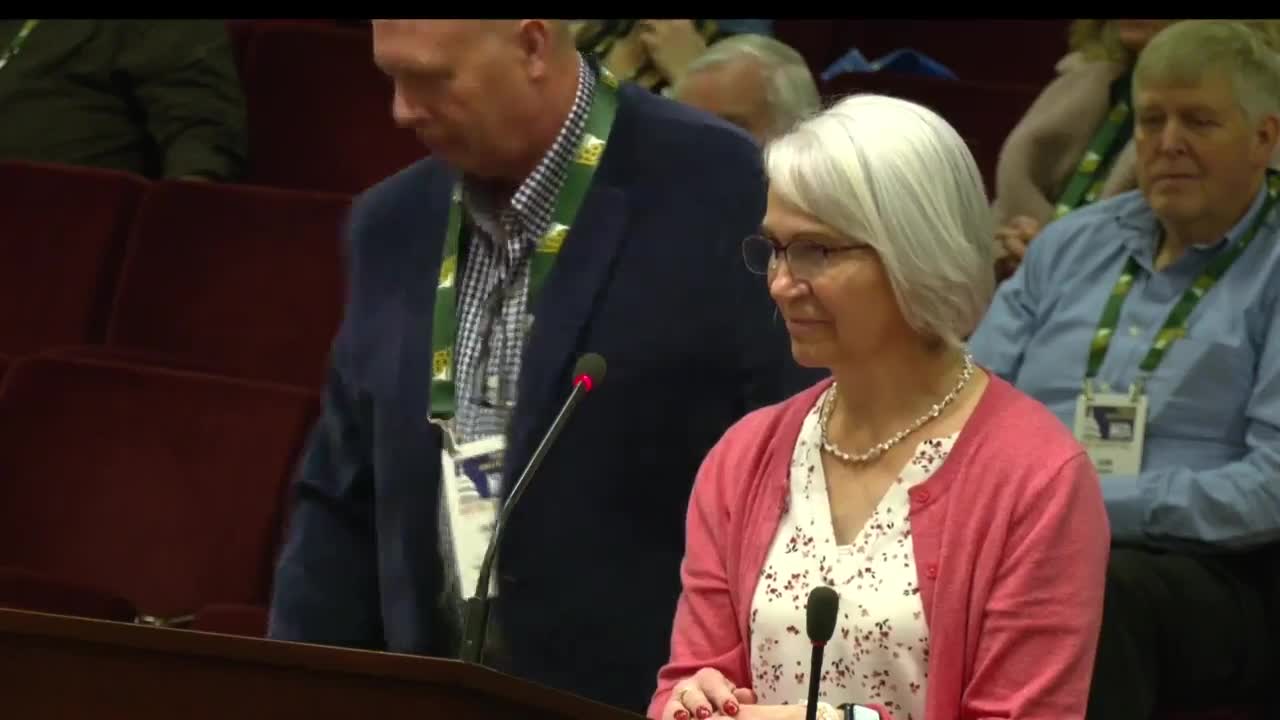
Kristen Galbraith, board chair of the Sugar Salem School District, and Jared Jenks, the district superintendent, told the House Committee on Education on Feb. 18 that their district has pursued an attendance goal and visible communications to increase daily attendance.
Galbraith said Sugar Salem set a 97% attendance target and used posters, banners and classroom rewards — including visits from the superintendent in costume and ice cream deliveries — to encourage students and families to prioritize daily attendance. “Knowledge is power,” Galbraith said, describing routine letters, charts and electronic displays the district uses so families and students can see performance against attendance goals.
Jenks said district leaders track attendance weekly and present data at administrative meetings and school leadership councils. He told the committee that the district is also monitoring chronic absenteeism — defined in state guidance as students enrolled at least 10 days who miss 10% or more of school days — and that the district reports data during its Cognia accreditation process.
Jenks showed a chart comparing Sugar Salem’s chronic absenteeism with statewide figures and emphasized the educational consequences of frequent absence. “Success in school begins with showing up,” Jenks said.
Committee members asked how the district communicates with families and how parents respond. Galbraith described a mix of district-wide emails, a website, a Facebook page, a new platform called ParentSquare (which shows delivery status of messages), and regular contacts by principals. She also described a parent advisory committee that meets monthly and helps the district review policies such as a phone policy.
Both presenters said their district’s small size helps leaders maintain contact with families; Galbraith said local connections often make informal contact possible. No formal legislative requests or motions were made during the presentation.