Get Full Government Meeting Transcripts, Videos, & Alerts Forever!
Get email alerts on the Construction Finance Reappropriation topic
No spam. Unsubscribe anytime.
JFAC hears ITD plea to ease reappropriation cap as multi‑year road contracts hit payout wave
Summary
The Joint Finance‑Appropriations Committee (JFAC) heard Friday that the Idaho Transportation Department (ITD) needs more flexibility to pay contractors on long‑running road projects and avoid cash‑flow interruptions.
The Joint Finance‑Appropriations Committee (JFAC) heard Friday that the Idaho Transportation Department (ITD) needs more flexibility to pay contractors on long‑running road projects and avoid cash‑flow interruptions.
ITD Chief Administrative Officer Dave Tolman told the committee that ITD had “a little over $600,000,000” in obligated but unspent construction commitments at the end of fiscal 2024 and said the department’s current appropriation and carryover limits do not match the multi‑year, multi‑fund nature of many projects. “There’s a sizable amount of projects committed under contract that there is no appropriation for,” Tolman said.
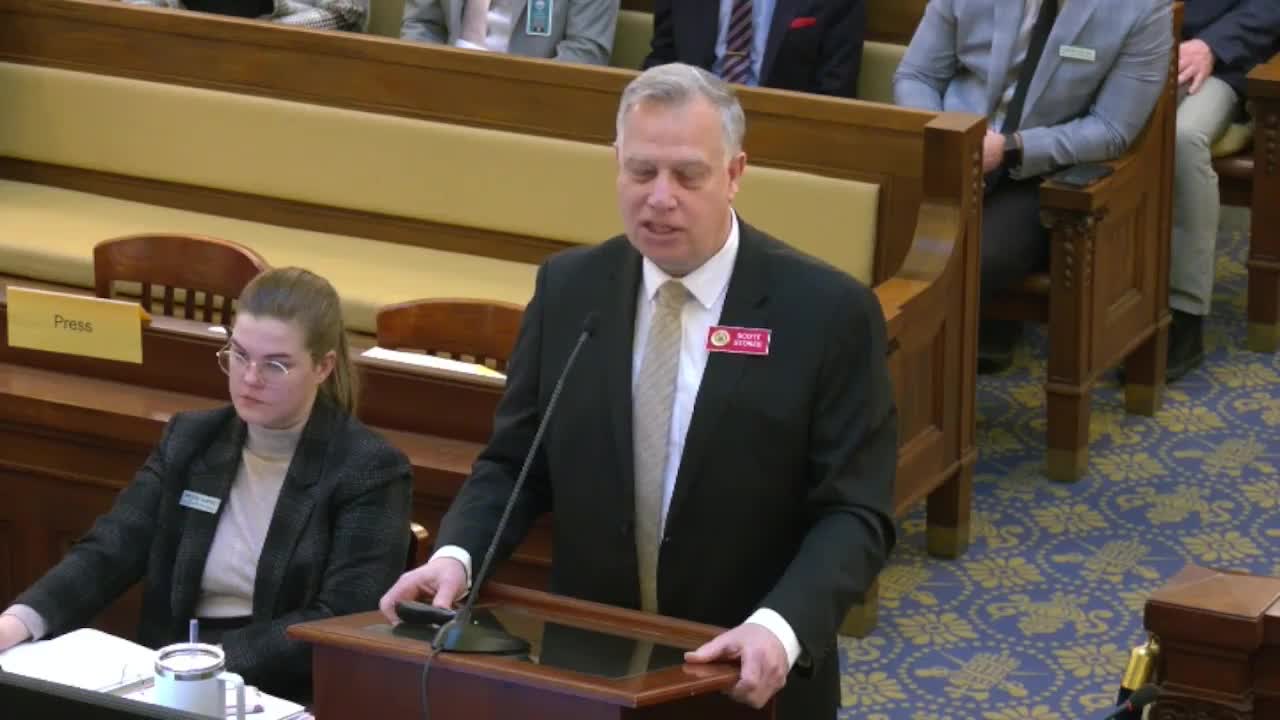
The department and its legislative analyst framed the problem as a timing and appropriation issue rather than a failure to obtain funding. Director Scott Stokes said ITD has large projects under contract — some extending multiple years — and that the combination of federal, state and local funding streams means contractor payments arrive in waves that can exceed available spending authority. Stokes said monthly contract payments during peak construction months can range “between $50 and $80 million a month.”
Why it matters: ITD is asking JFAC for a package of changes and supplemental authority to reduce the risk of delayed contractor payments and to allow funds generated in previous years to be spent on current construction work. The department asked for a $60 million supplemental for fiscal 2025 and ongoing reappropriation authority up to $250 million; it is also proposing language to allow continuous appropriation of the Strategic Initiatives Program fund so strategic transfers already in statute could be spent without a separate annual appropriation.
ITD and fiscal staff said the constraints are procedural: the state may hold cash but, absent appropriation or reappropriation authority, ITD cannot legally make the payments when contractors reach billing milestones. Tolman described the strategic‑initiatives code as designed to be continuously appropriated and said annual appropriations by the committee have effectively capped ITD’s access to those funds, increasing the risk of running short during peak payout periods.
Committee members asked whether the issue was cash availability or appropriation authority. Stokes and Tolman replied that cash exists but the timing of spending authority — constrained by the current reappropriation cap and annual appropriations — can force contractors’ payments to be delayed or project schedules to be adjusted.
Other details discussed included GARVEE bond paybacks and TECM (Transportation Expansion and Congestion Mitigation) funding. Brooke Dupree, budget and policy analyst with the Legislative Services Office, summarized ITD’s proposal to request a $99.7 million general‑fund transfer for safety and capacity projects and a $212 million transfer for road and bridge maintenance; the committee was also told portions of those transfers historically split 60/40 between ITD and local governments.
What comes next: ITD emphasized that the request is designed to preserve delivery of contracted work on schedule and avoid cash‑flow disruptions, not to finance new unidentified projects. The committee indicated it would consider supplemental appropriations and language options during its budget deliberations.