Get Full Government Meeting Transcripts, Videos, & Alerts Forever!
Get email alerts on the Grant Management topic
No spam. Unsubscribe anytime.
Grand Island board hears plan to centralize capital planning, step up grant work
Summary
Elaine, assigned to lead grant management, urged the Town Board of Grand Island to adopt regular capital-planning cycles, centralize project lists, and begin a formal RFQ/RFP process for grant-writing support to improve competitiveness for state and federal funds.
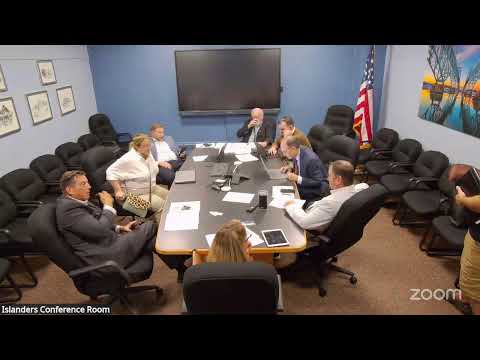
The Grand Island Town Board heard a detailed proposal to formalize capital planning and expand grant-writing capacity during its meeting, with the board’s designated grant manager urging a schedule and shared project inventory to make grant applications stronger.
Elaine, whom the board assigned to lead grant management, told the board she has researched practices around the region and concluded Grand Island lacks a steady capital-planning process. “Every single grant writer and consultant that I spoke to … they all have really solid capital planning as part of their budget process,” Elaine said, adding that repeated, scheduled reviews would let the town prepare higher-quality applications instead of reacting when projects break.
The recommendation calls for a centralized inventory for highway, water, sewer and parks projects, held in Teams, with department heads updating a living spreadsheet and quarterly reminders sent to departments. Elaine said the inventory should include service-life estimates and replacement timing so grant writers can “show 1 grant, hey, we got pipes. They’re 12 years past their replacement.”
Board members and staff discussed operational details. Corinne, identified in the discussion as the town finance lead, was asked to coordinate timing so capital-planning work feeds the budget calendar; Elaine and staff agreed to work with department heads to collect project lists ahead of spring and summer grant windows. Aaron and other department staff were identified as persons who would have access and responsibility to populate department-specific sheets.
The board discussed engaging or re-interviewing the town’s current grant writer and issuing an RFQ/RFP or consultant solicitation so the town has grant-writing capacity in place before key grant windows. Elaine asked for the board’s involvement in interviews and public-facing community engagement that many larger grants require. “There’s a lot of very forward-facing community interaction that they expect to happen,” she said.
Board members suggested carving out concentrated capital-planning periods (April and later) when department heads would be mandated to sit down with the board and update spreadsheets. Elaine said the plan should look out five to eight years so the town can shift project timing when grant opportunities arise. The board and staff agreed to continue developing the Teams spreadsheet and to set a calendar of meetings to gather the required information; Corinne will coordinate calendar details with department heads.
The board instructed staff to prepare next steps, including drafting a resolution or authorization (as appropriate) to begin a formal RFQ/RFP process for grant-writing services and to schedule follow-up meetings to finalize the capital-planning calendar and shared inventory.
Board members emphasized that the process will require sustained engagement from department heads to avoid lapses that previously stalled planning efforts. Elaine proposed periodic check-ins with advisory boards so volunteer expertise is captured and included in grant narratives.
The town did not adopt an ordinance or award a contract at the meeting; the board directed staff to prepare materials and return with proposed timelines and draft procurement documents for the board’s review.