Get Full Government Meeting Transcripts, Videos, & Alerts Forever!
Get email alerts on the Zoning Rewrite topic
No spam. Unsubscribe anytime.
Plan Commission reviews zoning-code rewrite drafts; members favor historic-preservation role
Summary
The Plan Commission reviewed draft articles of a full zoning-code rewrite and provided early direction on administrative details, historic preservation, outreach and a phased schedule for later chapters.
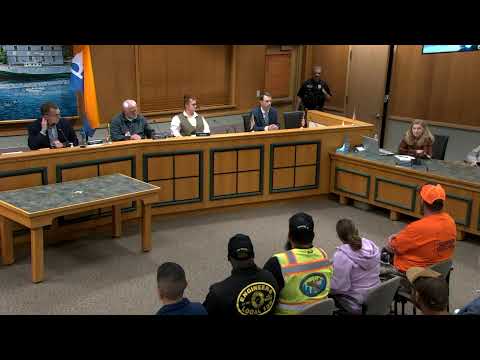
The Port Washington Plan Commission on Oct. 16 discussed draft articles 1, 2, 3, 4, 12, 13 and 17 of a proposed comprehensive zoning code rewrite. The discussion was a review-only item and did not include any vote.
Why it matters: the city intends to replace a decades-old zoning code with a modern, consolidated ordinance that includes updated definitions, administrative procedures, official map rules, shoreland and wetland overlays, and performance standards. City staff said the current code has not been comprehensively updated in generations and that a rewrite will provide clearer guidance for development, design standards and administration.
What staff presented: city planning staff summarized the early articles as “baseline” chapters that are largely derived from state statutes and standard municipal practice: general provisions, rules for interpretation, composition and powers of administrative bodies, and procedures for rezoning, notices and site visits. Staff said the consultant will deliver additional working drafts this winter and that a consolidated draft is expected for review by February–March, with an adoption target in spring (April) 2026.
Historic preservation and design review: Commissioners and the mayor discussed building a formal historic-preservation structure into the code. Staff recommended retaining historic-preservation language in the code but noted the city currently lacks the volunteers to operate a separate commission. Commissioners suggested a hybrid approach: include a Historic Preservation Commission in the ordinance but allow overlapping appointments with the Planning Commission and Design Review Board so review capacity exists without creating a new, large volunteer body. A commissioner also proposed including a representative from the local historical society.
Public process and ordinances: staff confirmed work with the municipal code contractor (General Code) to provide a derivation table mapping existing ordinances to new code sections and to ensure numbering and related ordinances are updated in tandem. Commissioners asked for clarity on how changes to boards and membership would be reflected in municipal ordinances; staff said the rewrite itself is an ordinance and the project will include cross-references and a derivation table.
Timeline and next steps: staff said remaining chapters will be delivered in waves over the coming months for Plan Commission review; the project consultant (Grama and Civic team) will incorporate commission and stakeholder feedback. The commission will get further, more detailed chapters covering downtown form, land-use tables, architectural standards and other design guidance in upcoming meetings.
Ending: Commissioners praised staff for the progress and indicated support for integrating historic-preservation review into the new code. No formal action was taken; the rewrite process will continue with additional public outreach and subsequent Plan Commission agenda items.