Get Full Government Meeting Transcripts, Videos, & Alerts Forever!
Get email alerts on the Addiction Recovery topic
No spam. Unsubscribe anytime.
State Office of Addiction Recovery outlines overdose reduction strategies, MOUD expansion and naloxone distribution
Summary
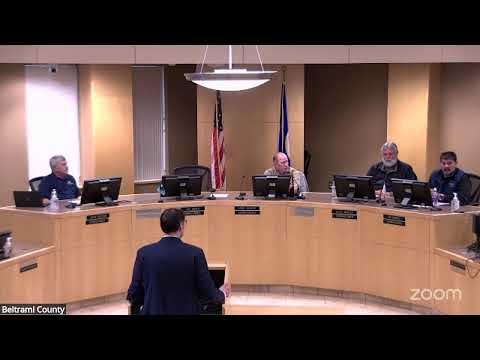
Jeremy Drecker, state director for the Office of Addiction and Recovery, briefed the Beltrami County board on statewide efforts to reduce overdoses, expand medications for opioid use disorder (MOUD), and distribute naloxone, including a naloxone portal and a federal reentry waiver application.
Jeremy Drecker, director of Minnesota’s Office of Addiction and Recovery, told the Beltrami County Community Health Board on Oct. 21 that the office’s work focuses on coordinating state agencies to reduce overdose deaths and expand prevention, treatment and recovery services.
“The Office of Addiction Recovery is not a funder,” Drecker said, describing the office’s role in aligning agencies and advising the governor on policy. He said the office chairs an interagency subcabinet and convenes work groups on issues such as unsheltered individuals with substance use disorder and justice-involved people.
Drecker highlighted several statewide initiatives: refining the state’s 1115 Medicaid reform waiver that governs treatment billing and goals; pursuing a reentry waiver that would allow Medicaid-supported behavioral health services up to 90 days before release from jail or prison; and the Department of Health’s Comprehensive Overdose and Morbidity Act, a package of strategies intended to reduce overdose deaths. He said the state has submitted the reentry-waiver application to the federal government and is awaiting review.
Drecker presented recent overdose data, saying Minnesota moved from “over a thousand opioid overdose deaths in 2022, to under 700 in 2024.” He attributed part of the improvement to broader naloxone availability and expanding medications for opioid use disorder (MOUD) — methadone, buprenorphine and naltrexone — and said MOUD access remains a priority in Greater Minnesota where “MOUD deserts” persist.
To speed naloxone delivery, Drecker described a state naloxone portal that lets community organizations, tribes and law enforcement order naloxone without a lengthy competitive grant process. He said nearly 300,000 doses were distributed through the portal between September 2023 and July 2024. Drecker also described work with employers on “recovery friendly workplaces” and prevention programs funded after legalization of adult-use cannabis for youth education dollars.
Commissioners asked about fentanyl and local trends; Drecker said his statewide data include fentanyl and invited local officials to follow up with state Department of Health experts to reconcile local and state data. He offered to maintain contact with county leaders to explore mobile-clinic strategies and MOUD access.
Ending: Drecker paused for questions and offered follow-up contacts for county staff and commissioners who want technical assistance on naloxone distribution, MOUD access, data or the reentry-waiver implementation.