Get Full Government Meeting Transcripts, Videos, & Alerts Forever!
Get email alerts on the Fire Department Iso topic
No spam. Unsubscribe anytime.
Calimesa fire department upgraded to ISO Class 2; city manager highlights potential insurance and community benefits
Summary
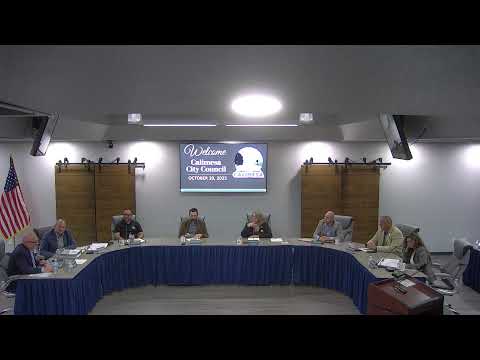
City Manager Will Cobaugh announced at the Oct. 20 meeting that the Calimesa Fire Department received an ISO Public Protection Classification upgrade to Class 2 effective Nov. 1, which staff said may reduce commercial fire-insurance premiums and reflects strong emergency communications, fire capabilities and water supply.
City Manager Will Cobaugh told the Calimesa City Council on Monday that the Calimesa Fire Department has been upgraded to an Insurance Services Office (ISO) Class 2 rating effective Nov. 1, placing the city among the top 4% of departments nationally in the ISO classification program.
The ISO evaluation examines emergency communications, fire-department capabilities and water supply; staff credited firefighters, dispatchers and local water partners for the upgrade. Cobaugh said the rating could lead to lower commercial fire-insurance premiums and modest residential premium reductions in some cases.
Cobaugh also noted the city's addition of an in-house paramedic to the fire crew and thanked Fire Chief O'Connell for leadership that helped secure the upgrade. A resident letter read at the meeting praised the fire department's emergency response and specifically thanked the city for adding a paramedic to the crew.
What this means: ISO ratings are one factor insurers use to set premiums. Staff said the upgrade is a signifier of strong public-safety capability and could make Calimesa more attractive to potential investors, while primarily benefiting businesses through lower insurance costs.
Next steps: The upgrade takes effect Nov. 1. Staff did not provide an estimate of dollar savings per policy; Cobaugh said commercial properties are more likely to see noticeable premium reductions while residential impacts tend to be modest.