Get Full Government Meeting Transcripts, Videos, & Alerts Forever!
Get email alerts on the Personnel Leave Request topic
No spam. Unsubscribe anytime.
Fall River Housing Authority denies employee leave-of-absence request, board cites policy and precedent concerns
Summary
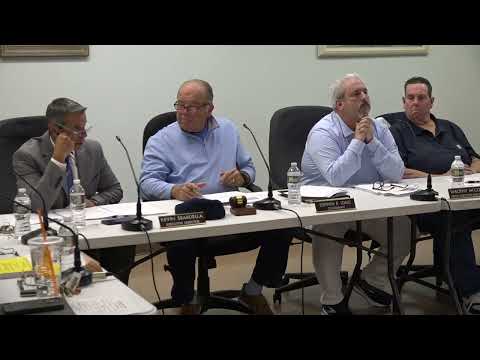
The Fall River Housing Authority board voted unanimously to deny a requested leave of absence from a long‑term employee after a lengthy discussion about personnel policy language, precedent and union bargaining implications.
At its October meeting, the Fall River Housing Authority board voted to deny a leave‑of‑absence request from an employee identified in board materials as Mr. DeSilva.
Board members spent more than an hour debating whether the request fit the authority’s personnel policy, which says leave without pay will be approved only when the employee intends to return at the end of the leave. Several commissioners said the request — described by the employee as an opportunity to pursue other employment — did not meet that standard and could create an undesirable precedent.
The authority’s executive director told the board he had consulted the labor attorney, who advised that the board may consider requests on a case‑by‑case basis, but that board approval was required. The director also said he could not promise the employee that a job would be held open indefinitely if the employee separated service.
Commissioners raised two recurring concerns: (1) the personnel manual language that requires intent to return and exhaustion of accrued leave before unpaid leave is granted, and (2) whether granting this request for one employee would require impact bargaining with union units or otherwise be perceived as special treatment.
One commissioner noted the personnel manual’s paragraph requiring an intent to return and that unpaid leave is generally secondary to other accrued leave; another warned that approving the request could invite similar requests for extended leaves of up to 12 months. The executive director said the request was “unique” and that past approvals had been more clearly time‑limited and tied to return dates.
The board discussed an administrative alternative: instructing the employee to apply for available accrued paid time (personal or vacation leave) to cover the December absence. The executive director said that option could be processed through HR without further board action if the employee had sufficient accrued time.
A motion to deny the leave request was made and seconded. In a roll call vote, Commissioner Burns, Commissioner Medeiros, Commissioner Bentley, Commissioner Underhill and Chairman Long voted to deny. Chairman Long announced, “To deny, yes. The request has been denied with some regret.”
Board members said they expect the personnel manual and its application to be revisited; several commissioners suggested clarifying the leave‑without‑pay language to prevent ambiguity and to ensure consistent treatment of union and nonunion employees going forward.
The board also instructed staff to pursue the HR remedy (use of accrued paid time) and to return to the board with any recommended policy changes at a future meeting.