Get Full Government Meeting Transcripts, Videos, & Alerts Forever!
Get email alerts on the Dangerous Dogs Policy topic
No spam. Unsubscribe anytime.
Council moves to align dangerous-dog insurance rules with state law, approves first reading
Summary
Council approved first reading of Ordinance 1578 to raise the insurance requirement for dogs designated dangerous from $50,000 to $250,000, aligning Woodland code with Washington state RCW definitions; city attorney explained designation criteria and duration.
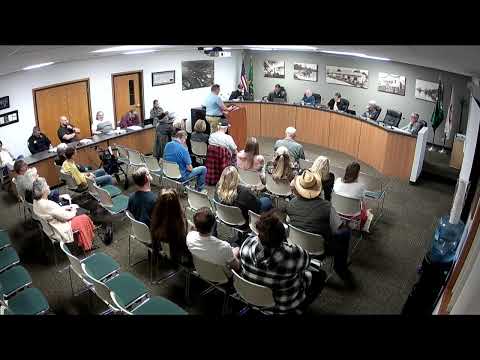
The Woodland City Council on Oct. 6 approved the first reading of Ordinance 1578 to update municipal code 7.04.070, increasing required insurance for dogs designated dangerous from $50,000 to $250,000 to align city code with state law.
Council members discussed the recent incidents involving two pit bulls and asked how dangerous-dog determinations are made. Chief of Police described recent dog attacks that triggered the ordinance review and said the city is working to apply statutes and hearings processes. City legal counsel cited state statute RCW 16.08.070, explaining definitions for “potentially dangerous dog” and “dangerous dog” and the kinds of injuries that trigger the designation.
From the transcript: the city attorney said the relevant RCW “defines both potentially dangerous dog and dangerous dog. It has to do with where the dog is located and the type of injury, that they inflict. ... A dangerous dog would be without provocation either on public or private property [that] kills a domestic animal ... or has inflicted a severe injury” — and that the designation often lasts for “the life of the dog.”
The ordinance change increases the insurance threshold to match state requirements. The council recorded roll-call support for first reading and directed staff and legal counsel to follow up on procedural questions related to hearings and enforcement.
The update is procedural and regulatory; it does not ban any breed but changes financial liability requirements for owners whose animals are legally designated dangerous.
The ordinance advanced on first reading; follow-up steps include confirmation of hearing procedures and incorporation of the state RCW language into municipal enforcement processes.