Get Full Government Meeting Transcripts, Videos, & Alerts Forever!
Get email alerts on the School Closures topic
No spam. Unsubscribe anytime.
Hundreds of parents, teachers urge board to stop proposed neighborhood school closures
Summary
A large group of parents, teachers and residents pressed the Eau Claire Area School District board on the potential closure or relocation of neighborhood elementary schools, urging trustees to end the process and preserve on-site services, programs and community stability.
A large group of parents, teachers and residents pressed the Eau Claire Area School District board on the potential closure or relocation of neighborhood elementary schools, urging trustees to end the process and preserve on-site services, programs and community stability.
Hundreds of people from Longfellow, Flynn, Flint and Roosevelt told the board that closures would disproportionately harm students from low-income families, English learners and children with disabilities and would disrupt students’ mental health and neighborhood support networks. Paul Gerchak, introduced as a Roosevelt parent and Roosevelt PTA president, told trustees, “We please end this process and release this community, our student, and our staffs from this purgatory.”
The speakers said the district’s enrollment and capacity numbers do not reflect classroom-size limits, Title I program needs or special-education space requirements. Allison Wilson, a Longfellow parent, said Longfellow is a Title I school where “70% of the children live with economic hardship” and warned that closing the school would further divide students and damage equity.
Speakers also highlighted services tied to specific buildings. Paul Gerchak asked the board to restore funding for a community partnership coordinator position cut from the draft 2026–27 budget, saying the $387,000 position connects families with meals, child care, school supplies and other resources. Britney Farrell, a 17‑year first-grade teacher at Roosevelt, warned that closing Roosevelt would remove on-site child care partner capacity and drive working families to other districts.
Several speakers described concrete personal and student impacts: long bus commutes, anxiety in young children, the loss of trusted staff and the erosion of neighborhood identity. Madeline Kelly, Longfellow PTO president, said Longfellow collected 190 parent letters in two days and urged trustees to read students’ handwritten notes and drawings stating why the school matters.
Others framed the proposed changes as a pattern of disinvestment. Doctor Roderick Jones, a parent and longtime advocate, called school closure “a moral question, not a fiscal question,” and said vulnerable schools often are the first targeted for cuts.
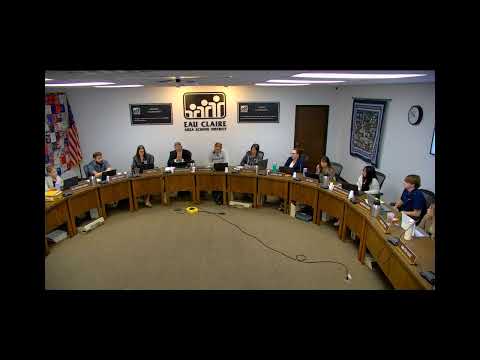
The board did not take action on the topic. Chair Nordeen told the audience the issue is not on the night’s agenda and will be discussed at the next board meeting, with an update to follow. The board thanked participants for holding to time limits and for the volume of community input.
The public forum ran beyond the board’s allotted 30 minutes, and dozens of additional speakers — parents, teachers, school staff and community advocates — addressed trustees on school culture, neighborhood impacts, dual immersion and program access. Many urged the district to exhaust alternative cost-saving options, repurpose district administrative space, or find other ways to preserve neighborhood schools before approving closures.