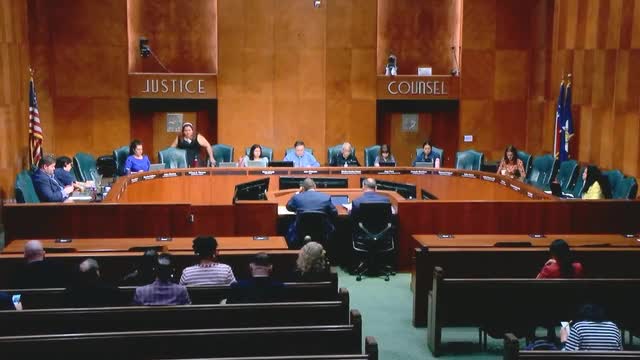
Public Works outlines code modernization: 2021 codes adopted, 2024 review planned for 2026 and full 2027 cycle aimed for 2028
Loading...
Summary
Houston Public Works told the Government Operations Committee it completed adoption of the 2021 international codes on Jan. 1, 2024, and is preparing targeted 2024 code updates for 2026 with a goal to pursue a full 2027 cycle adoption in 2028; staff emphasized training, stakeholder outreach and sustainable update processes.
Ray Reese, senior division manager for code development at Houston Public Works, and Rudy Moreno, deputy director, told the City Council’s Government Operations Committee that the city completed a grant‑funded code modernization program adopting the 2021 International Codes and is preparing to review 2024 code changes with high‑value updates targeted for implementation in 2026.
Reese said the 2021 adoption — implemented Jan. 1, 2024 — followed an intensive stakeholder and training process supported by a grant that funded additional staff and consultants. “That particular grant allowed us to hire three positions; at any time we had between one to 11 people working on it,” Reese said, describing cross‑reference analyses, technical papers and an expanded training curriculum that helped update nine building‑code families, including residential, building, fire, existing buildings, swimming pools, mechanical, plumbing and the national electrical code.
Training and outreach
Public Works reported 17 internal trainings and 18 external trainings since the modernization work and said it has revamped certification programs at the permitting center with set curricula for permit technicians and building inspectors. The department also runs regular outreach, monthly trainings, and public workshops; staff said the second annual permitting workshop will be held Nov. 19 and will offer three tracks for attendees ranging from newcomers to developers.
Why modernization matters
Reese said modern codes improve alignment between plan review, permitting and inspection, reduce inconsistent code interpretations, and support clearer communication to customers. He also told the committee that up‑to‑date codes contribute to the Building Code Effectiveness Grading Schedule (BCEGS/BSEG) ratings that insurers consider; better scores can translate into lower insurance premiums for residents.
Next steps and timeline
Public Works plans to analyze the 2024 International Code changes and present initial recommendations to department leadership in early 2026, with targeted 2024 updates implemented in 2026 and a targeted adoption of the full 2027 code cycle in 2028. Reese described the approach as a way to make future adoptions more sustainable and predictable, without the heavy, short‑term staffing surge the 2021 adoption required.
Council questions
Councilman Ramirez asked whether new codes—especially energy‑code changes—have cost implications for homebuilders. Reese said staff will analyze cost and energy impacts as part of the 2024 review and that certain insulation or efficiency updates could offer tradeoffs; he did not provide a final cost estimate. The department expects to present analysis early in 2026.
Ending
There was no formal committee action on the code modernization presentation. Staff said they will continue outreach, training and internal alignment and will return with analysis of the 2024 code and recommendations on a timeline that could lead to full 2027 code adoption by 2028.