
Teachers press board for raises as negotiations proceed; board approves bargaining proposal and receives union’s plan
Get AI-powered insights, summaries, and transcripts
Subscribe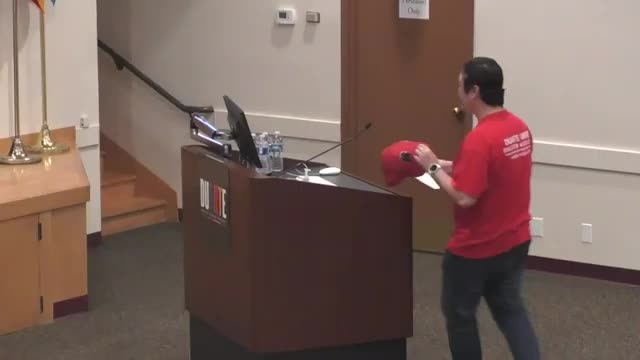
Summary
Hundreds of teachers, parents and union representatives spoke to the Duarte Unified board on Oct. 9 demanding higher pay and improved health benefits; the board approved its initial bargaining proposal for classified staff and took the union’s proposal as information.
Dozens of Duarte Unified teachers, parents and union representatives used the Oct. 9 public‑comment period to press the board for higher pay, better health-benefit contributions and faster, transparent bargaining.
Teachers, many wearing red and identifying themselves as members of the Duarte Unified Educators Association (DUEA) and allied groups, described increasing out-of-pocket health premiums, multi-job households to afford benefits, and a lack of raises in some cases for more than three years. Several veteran teachers described taking second jobs or forgoing benefits. Sherry Johnson, a Beardsley teacher, said she is working “80 plus hours a week” to afford health care and that the district’s recent offers do not cover rising premium costs. A number of speakers framed the issue as one of retention and classroom stability.
The board opened a public hearing on the district’s initial proposal for the 2025–26 CSEA reopener negotiations (the reopener for classified staff) and subsequently closed the hearing after taking comments. The board then approved the Duarte Unified School District’s initial bargaining proposal for 2025–26 reopener negotiations with the California School Employees Association (CSEA), Duarte Chapter 25. The board also received for information CSEA’s initial bargaining proposal. The funding and specific monetary demand details appeared in the parties’ proposals; the board directed negotiators to proceed.
Several public speakers urged the board to return to the bargaining table with what they called meaningful proposals and warned of escalating labor action if agreement was not reached. An outside union representative told the board the district had “stonewalled” in prior sessions and said the union would not wait for a new superintendent to resolve outstanding issues; the representative said DUEA had the backing of multiple nearby districts and statewide organizations.
Board members acknowledged the public comments and said the board had held meetings with union leaders and that the board must balance compensation requests against available funds and obligations. Board members said they were open to continued bargaining and would monitor negotiations. The board’s formal action on Oct. 9 was to approve the district’s initial reopener proposal and receive the union’s initial proposal for information.