Get Full Government Meeting Transcripts, Videos, & Alerts Forever!
Get email alerts on the Solid Waste Fees topic
No spam. Unsubscribe anytime.
Baltimore board approves landfill tipping fee hike from $60 to $127.50 a ton
Summary
The Board of Estimates approved a long‑planned increase to the city's landfill tipping fee, raising it from $60 per ton to $127.50 per ton to align with surrounding jurisdictions, expand landfill life and fund solid‑waste operations.
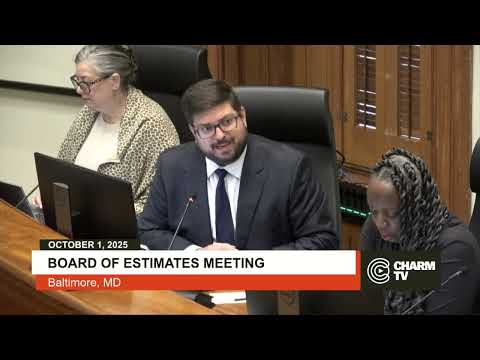
The Baltimore City Board of Estimates on Oct. 1 approved a proposal to raise the municipal landfill tipping fee from $60 per ton to $127.50 per ton, the first increase since 1993.
Budget Director Laura Larson said the fee change was part of the Fiscal Year 2026 budget and is intended to bring the city's rate closer to neighboring jurisdictions so fewer out‑of‑city vehicles dump at Baltimore's landfill. "Under this proposal the fee will be increasing from $60 a ton to $127.50 a ton. This is the first time we have increased this fee since 1993," Larson told the board.
The increase will not apply to the city's small hauler program, administered by the health department, Larson added. She said the city expects the additional revenue both to invest in Department of Public Works operations and to extend the landfill's useful life by reducing out‑of‑jurisdiction dumping.
Larson described how recent budget actions expanded collection crews and moved some positions from short‑term ARPA funding into the general fund: "In the fiscal 24 budget we created 20 new crews. In fiscal 25 we transitioned 10 of those crews from temporary ARPA funding into the general fund. In the fiscal 26 budget we invested $5,000,000 to create 15 new crews. And so in total we have 35 new crews in a 3 year period." She said the new tipping fee revenue will support those ongoing investments and necessary facility repairs.
Director of Public Works Matthew Garbark and other board members questioned the fee in relation to inflation and the city's broader fee study. Garbark noted the loss of buying power since 1993, saying roughly that a dollar in 1993 buys about half what it did today and that operating costs had risen faster than standard inflation. Larson replied that the single increase is still below what cumulative annual inflationary adjustments since 1993 would have produced.
Larson said the tipping fee is set by the Board of Estimates and, if adopted, will be subject to a 30‑day notification period with the new rate taking effect in November. She clarified that some other fees discussed during the budget process—those with dollar amounts set in city code—would require subsequent City Council action; the landfill tipping fee is not set in code, so board action is sufficient.
The board approved the fee increase by voice vote. A board member called out a recorded opposition during the vote. The board clerk had previously advised the public of the item's inclusion in the FY 2026 budget.
Why it matters: the change affects commercial and municipal waste costs, will shift disposal incentives, and provides recurring revenue that the administration says is earmarked to sustain weekly collection service and infrastructure maintenance. The city also plans a multi‑phase fee study to review other user charges and identify which will require council action.
The board did not provide a line‑item breakdown of the expected annual revenue from the fee change during the meeting; Larson cited the budget initiative and the FY 2026 appropriation as the basis for the proposal.