Get Full Government Meeting Transcripts, Videos, & Alerts Forever!
Get email alerts on the Housing Policy topic
No spam. Unsubscribe anytime.
Committee backs DBI fee-deferral for 100% affordable housing projects
Summary
A proposed change to the Building Code that would allow 100% deed-restricted affordable housing projects to defer administrative Department of Building Inspection fees until permit issuance was recommended to the full board with a positive committee vote; sponsors said deferral helps projects line up financing during long approval processes.
The Land Use and Transportation Committee voted 3-0 on Sept. 29 to send an ordinance to the full Board of Supervisors that would allow 100% deed-restricted affordable housing projects to defer payment of certain Department of Building Inspection administrative fees until permit issuance.
Sponsor Supervisor Ahmad Mahmood said up-front administrative fees can be a major financing burden for nonprofit affordable housing developers and that moving collection to permit issuance provides breathing room while projects line up grants and loans. "Financing 100% affordable housing is like building a house of cards," Mahmood said, arguing delays and front-loaded costs can cause projects to fail.
The ordinance applies only to projects that are 100% deed-restricted affordable housing. The sponsor thanked Department of Building Inspection staff for drafting assistance and noted coworking with other supervisors who had supported earlier versions of similar legislation.
Brianna Morales, community organizer for the Housing Action Coalition, testified in support and said developers and nonprofit builders frequently report that timing of fee collection can make or break projects. "When those dollars are spent up front, we risk delaying or even stalling the project before they could get off the ground," Morales told the committee.
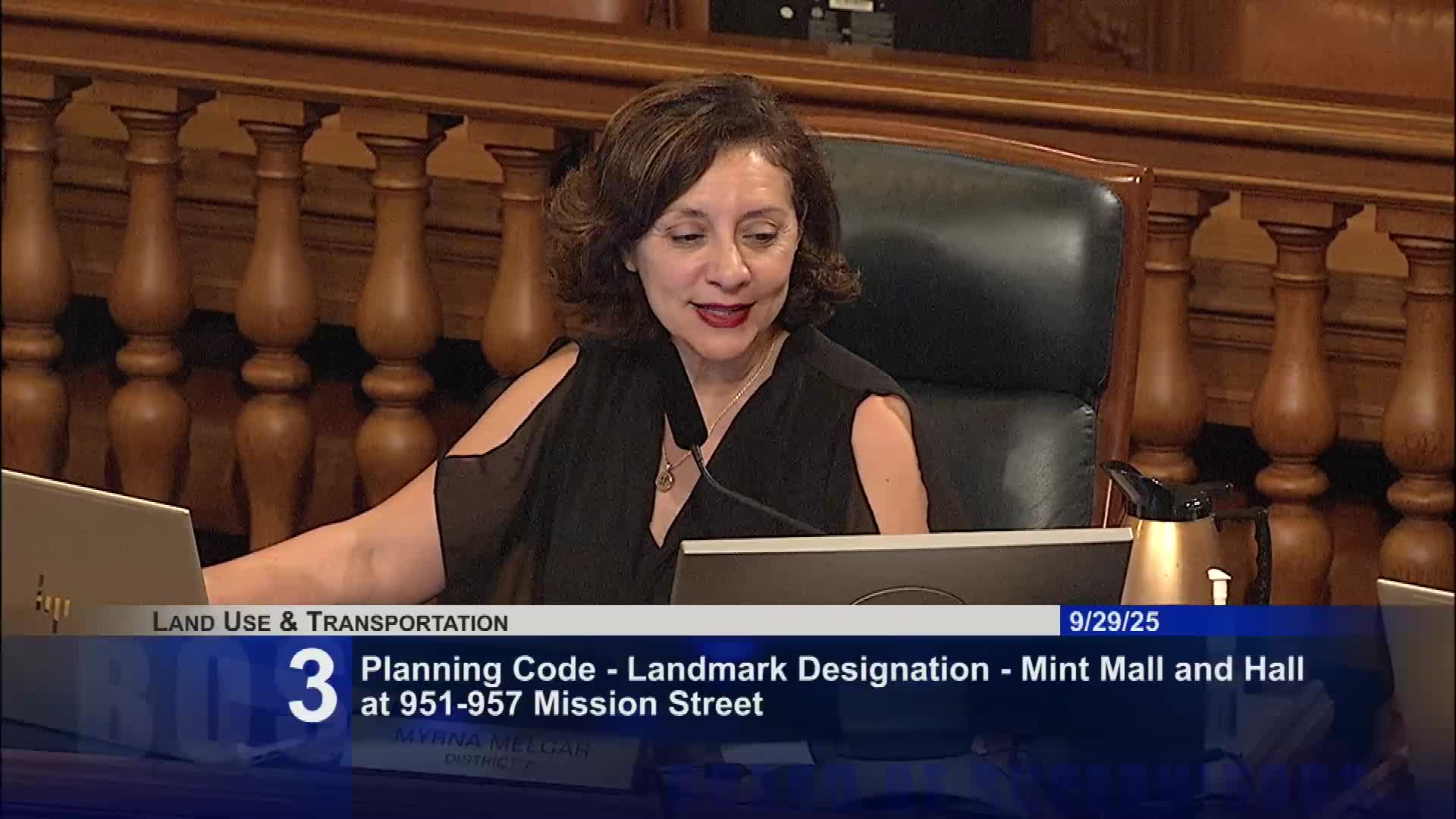
Chair Mirna Melgar moved to recommend the ordinance to the full board with a positive recommendation. The clerk recorded three ayes and the committee referred the item to the full board.
The committee action establishes local code language; implementation details and any budgetary implications will depend on administrative procedures at DBI and potential future budget adjustments.