Get Full Government Meeting Transcripts, Videos, & Alerts Forever!
Get email alerts on the Seniors Services topic
No spam. Unsubscribe anytime.
Skagit County to notify regional hub of plan to transition senior meal program to nonprofit; public pushes for more community input
Summary
County staff recommended notifying the Northwest Regional Council of an intent to transition Skagit County’s meal program for seniors to a nonprofit host, citing budget pressures and lower operating costs in the nonprofit sector. Public commenters and commissioners urged more community engagement and oversight of nutrition quality.
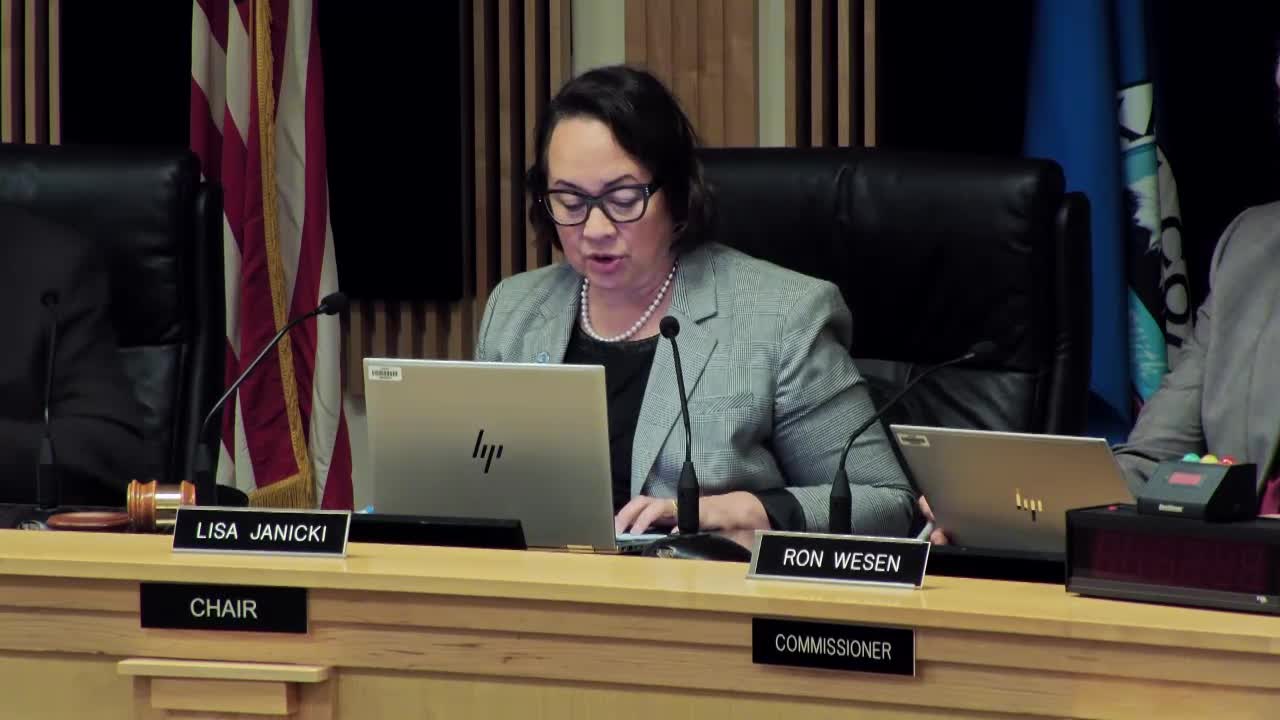
Jennifer Johnson, Skagit County deputy administrator and interim public health director, briefed the Board of County Commissioners on Sept. 29 about budget pressures and staff recommendations to transition the county’s senior meal program to a nonprofit provider.
Johnson said maintaining the current county-operated model would require nearly $1.8 million in general fund support to sustain 2026 service levels, including about $675,000 for the meal program and $630,000 for senior centers. She said the county currently provides about $13 per capita for senior services compared with between $2 and $3 per capita in Whatcom County, noting different service mixes across jurisdictions. Johnson said several counties have nonprofit hosts for the meal program and argued nonprofits often have lower overhead, greater fundraising flexibility and volunteer models that can sustain a higher level of hot and delivered meals than the county could afford.
Johnson recommended notifying the Northwest Regional Council — the administrative hub for related state and federal grants — of the county’s intent to transition the meal program to a community nonprofit effective July 1, giving nine months for outreach, technical assistance and a warm handoff.
Commissioners and the public pressed for more outreach and oversight. Commissioner Browning asked how the county would ensure nutrition quality under a nonprofit host; Johnson replied that Northwest Regional Council provides program monitoring and strict nutrition and service requirements. Multiple public commenters urged the board not to “balance the budget on the backs of seniors,” asked for a task force or more community input and warned that switching to frozen meals or reducing congregate sites would harm seniors who rely on hot meals and meal-site social contact.
The board did not take immediate formal action to finalize a host change during the session. Commissioners directed staff to notify Northwest Regional Council of the county’s intent so there would be time to work with potential nonprofit hosts, and they signaled the matter would return for future consideration with more public input. Staff emphasized the transition would cover only the meal program and not the senior center operations themselves.
Public commenters included current and former volunteers and senior-center users who asked for a fuller public process, suggested fundraising and task-force options, and expressed concern about losing hot meals and daily contact the program provides to homebound seniors.