Debate over 300-foot spring setbacks resurfaces in Western Loudoun
Loading...
Summary
At a stakeholder input meeting on the Mountainside Overlay District, conservationists urged keeping a 300-foot setback around mapped spring features while some residents and farmers called for reconsideration or case-by-case waivers.
Loudoun County officials and stakeholders debated whether the Mountainside Overlay District’s 300-foot setback for mapped spring features should remain in place, be loosened or be subject to case-by-case relief.
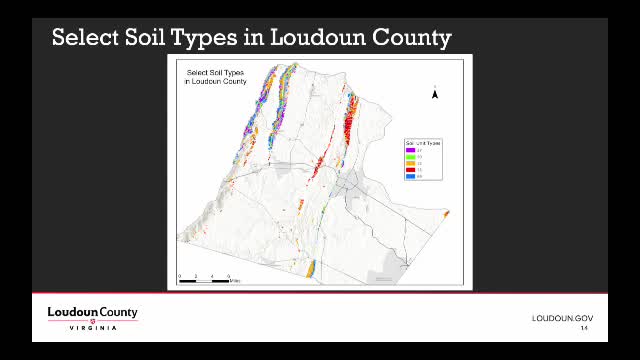
Staff told the committee that the MOD incorporates a "limited list of covered activities" and specific feature protections, including setback buffers for springs and ridge features. A conservation-minded public commenter with soil and water expertise told the committee the 300-foot buffer "makes a lot of sense" because springs and steep, sensitive soils play an outsized role in groundwater recharge for Western Loudoun.
Some stakeholders and supervisors asked whether the 300-foot standard had been researched against other jurisdictions and requested staff provide the basis for the figure. Supervisor Randall asked staff to document how the 300-foot measure was adopted; staff said the protection had been discussed during the General Plan and zoning rewrite process and that staff would provide the background.
Opponents of the buffer size called a 300-foot setback "draconian" and noted that many properties contain springs and that the rule can block otherwise modest uses. Donnie Walker, a Catoctin District resident, said Loudoun historically used a 100-foot guideline for similar protections and that the 300-foot buffer would be a significant constraint for many properties. Conservation speakers warned against weakening buffers, arguing that the mountains are a primary groundwater recharge area and that reduced setbacks risk long-term groundwater and ecological harm.
Committee members deferred a policy decision and asked staff to provide supporting materials. Staff said it would return with the adoption history and any technical reports that informed the 300-foot figure. The committee did not propose an immediate change; staff will prepare more detailed background and options for a future meeting.