Get Full Government Meeting Transcripts, Videos, & Alerts Forever!
Get email alerts on the Historic Preservation topic
No spam. Unsubscribe anytime.
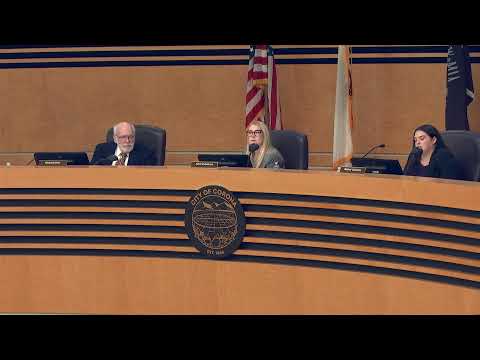
Corona Historic Preservation Board adopts rules, reviews inventory and procedures
Summary
The Historic Preservation Board voted unanimously to adopt rules, procedures and standards that set meeting protocols, decision types and public-process rules; staff gave an overview of the city’s heritage inventory, landmark listings and incentives such as Mills Act contracts.
The Historic Preservation Board of the City of Corona voted unanimously to adopt a resolution establishing rules, procedures and standards for its meetings and decision-making processes. The action formalizes how the board will consider landmark nominations, alterations, relocations and demolitions and how it will make recommendations to the Planning and Housing Commission and the City Council.
City planning staffer Miss Coletta presented the staff report and walked members through the board’s duties, the scope of the city’s historic-preservation program and procedural rules. “You always do that right away by your vote. Your vote is very transparent,” Coletta said when describing the value of stating reasons for votes, particularly when a board action departs from a staff recommendation.
The presentation noted the difference between (1) decisions that rest with the Historic Preservation Board (for example, major alterations to properties on the Corona Register), (2) recommendations the board forwards to the Planning and Housing Commission or City Council (for example, general-plan amendments or expansions of the Corona Register), and (3) administrative or preliminary reviews required under the ordinance. Coletta also explained appeal rights: decisions by the board can be appealed to the City Council, and relocation or demolition of properties listed at state or national levels would be recommended upward to the council.
Staff gave numeric context for the city’s preservation program: the Corona Heritage Inventory contains 544 properties identified as constructed before 1950; 62 properties are listed as local landmarks on the Corona Register; there are 10 historic districts; four properties and one street (Grand Boulevard) are listed on the National Register. Coletta said the city charges $300 for a historic landmark nomination application (about 10% of staff recovery cost), and that property owners on the Corona Register may apply for a Mills Act contract, which staff described as a property-tax incentive intended to help owners maintain historic properties.
The staff overview also explained procedural rules the board adopted. The board will meet at least once annually as required by the ordinance, with regular meetings scheduled on the Monday after the fourth Wednesday of each month at 5:00 p.m.; special meetings can be called by the planning director or the board when needed. Meetings are subject to the Brown Act: agendas will be posted no less than 72 hours in advance. The board discussed quorum and voting thresholds: a quorum is three members; most application votes require a majority of the quorum, but certain actions (for example, a general-plan amendment affecting the historic resources element) require a majority of the total membership.
Coletta reviewed public comment procedures, speaker-card practice and field-trip guidance (members may inspect sites individually; field trips with three or more members are subject to Brown Act posting). She also urged members to contact staff in advance if they need additional background or research before a meeting, and reminded members that the city attorney will brief them on conflict-of-interest rules.
A motion to adopt Resolution No. 2671 (establishing rules, procedures and standards) was made by Member Winn and seconded by Member Rubalcaba; the motion passed unanimously (three members present).