Get Full Government Meeting Transcripts, Videos, & Alerts Forever!
Get email alerts on the Adult Mental Health Services topic
No spam. Unsubscribe anytime.
Ottawa County CMH outlines adult services, reports growth in Senior Reach and 810 active clients
Summary
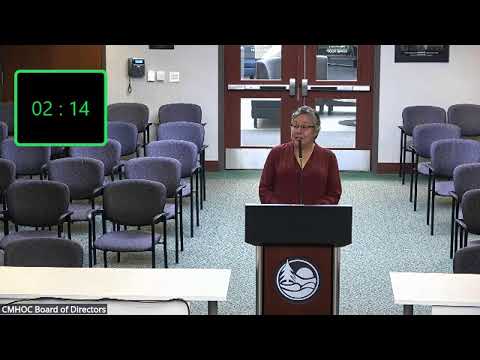
Keith Morley, director of adult mental health services, briefed the board Sept. 26 about outpatient, multidisciplinary teams, Assertive Community Treatment (ACT), Clubhouse and the Senior Reach millage-funded program, reporting 810 people open to services and Senior Reach referrals increasing to 123 so far in 2025.
Keith Morley, director of services for mentally ill adults at Community Mental Health of Ottawa County, presented an overview of adult services to the board on Sept. 26 and highlighted program growth and service capacities.
Morley said CMH has approximately 810 adults open to some level of mental health services. He described levels of care that range from contractual outpatient therapy to multidisciplinary teams that provide case management and evidence-based practices (including dialectical behavior therapy) and to Assertive Community Treatment (ACT), the most intensive outpatient model. ACT is an evidence-based, integrated dual-disorder treatment that serves individuals with severe, persistent illness and co-occurring substance use disorders; state rules cap ACT caseloads at 10 clients per clinician, with team composition allowing a program size up to about 60 clients.
Morley described Clubhouse as a psychosocial rehabilitation model that provides daily work-ordered activities and community supports. He also reported the Senior Reach program — funded by the local millage and serving older adults — received 123 referrals so far in 2025 (compared with 101 in 2022, 155 in 2023 and 112 in 2024). Morley said Senior Reach includes short-term therapy and help connecting seniors to medical equipment, benefits and other community resources; it does not currently provide on-site psychiatric services but coordinates with primary care providers.
Other operational notes: starting Oct. 1, Pathways to Better Health community health workers will be embedded directly into treatment teams for improved communication and coordination. Morley said most adult services are funded through Medicaid, Medicare, some private insurance, CCBHC funds, the Pathways grant, millage and general fund sources.
Why it matters: The county’s adult mental health programs serve hundreds of residents and use several evidence-based practices to maintain people in the community, reduce hospitalizations and address co-occurring disorders. The growth in Senior Reach referrals signals increased demand among older adults.
Questions from board members covered capacity and funding. Morley said the agency works to maintain Medicaid coverage for clients because those benefits fund many services; he also noted private insurance remains primary coverage in some cases but CMH must act as payer of last resort.