Get Full Government Meeting Transcripts, Videos, & Alerts Forever!
Get email alerts on the Federal Overreach National Guard topic
No spam. Unsubscribe anytime.
City Council adopts resolution condemning federal National Guard deployments to U.S. cities
Summary
Philadelphia City Council on Thursday adopted a resolution condemning the Trump administration's deployment of National Guard troops to American cities, after extended public comment opposing the tactic; the measure passed with one recorded dissent.
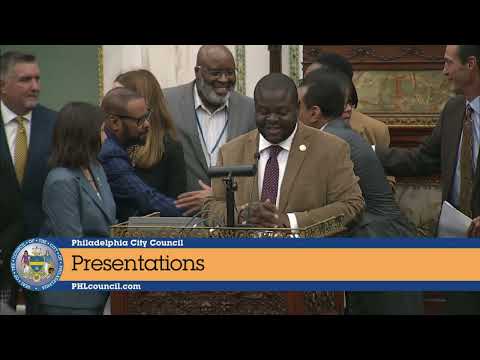
Philadelphia City Council adopted a resolution condemning the Trump administration's deployment of the National Guard to American cities on Thursday, saying the use of federal troops in municipal streets threatens civil liberties and local self-governance. Councilmember Kendra Brooks introduced the measure and moved for adoption.
The resolution drew extensive public comment before the vote. Tim Brown, organizing director for Philly Neighborhood Networks, told the council the deployments were a “practice run” for broader authoritarian measures and urged passage so the city would “stand up to bullies and tyrants.” Colette White of Positive Women's Network said, “This is my city. Our communities, our neighbors have worked hard to lower violence” and warned that out‑of‑state troops have “no knowledge” of local neighborhoods. Kenya Musa, co‑chair of Positive Women's Network, said the Guard's presence “undermines local control” and diverts resources from housing, schools and health care.
Not all testimony supported the resolution. Lynn Landis of SafeStreetsPhilly argued the federal deployments respond to long‑running public safety problems and said “there are better, more legitimate ways city council can help.” But speakers from the ACLU of Philadelphia, Make the Road Pennsylvania, the Coalition to Defend Democracy and other community groups framed the deployments as a threat to protest rights and immigrant safety.
Councilmember Brooks moved adoption of the resolution; the motion passed by voice vote with one member recorded as voting against it. Council President Kenyatta Johnson presided over the session. The resolution calls on leaders across the country to “defend democratic governance and civil liberties through every lawful means” and to oppose federal military occupation of municipal streets.
The measure is declaratory in nature; it expresses the council's opposition and asks leaders to coordinate legal and political responses but does not itself constrain federal action. During and after the vote several public speakers urged the council to follow the resolution with concrete legal or administrative steps, including coordination with other cities and preparation for litigation or declarations by local and state leaders.
The resolution was one of many items handled on a busy final‑passage calendar that included land transfers, street renamings and other ceremonial and administrative measures.