Get Full Government Meeting Transcripts, Videos, & Alerts Forever!
Get email alerts on the Transportation Noise And Safety topic
No spam. Unsubscribe anytime.
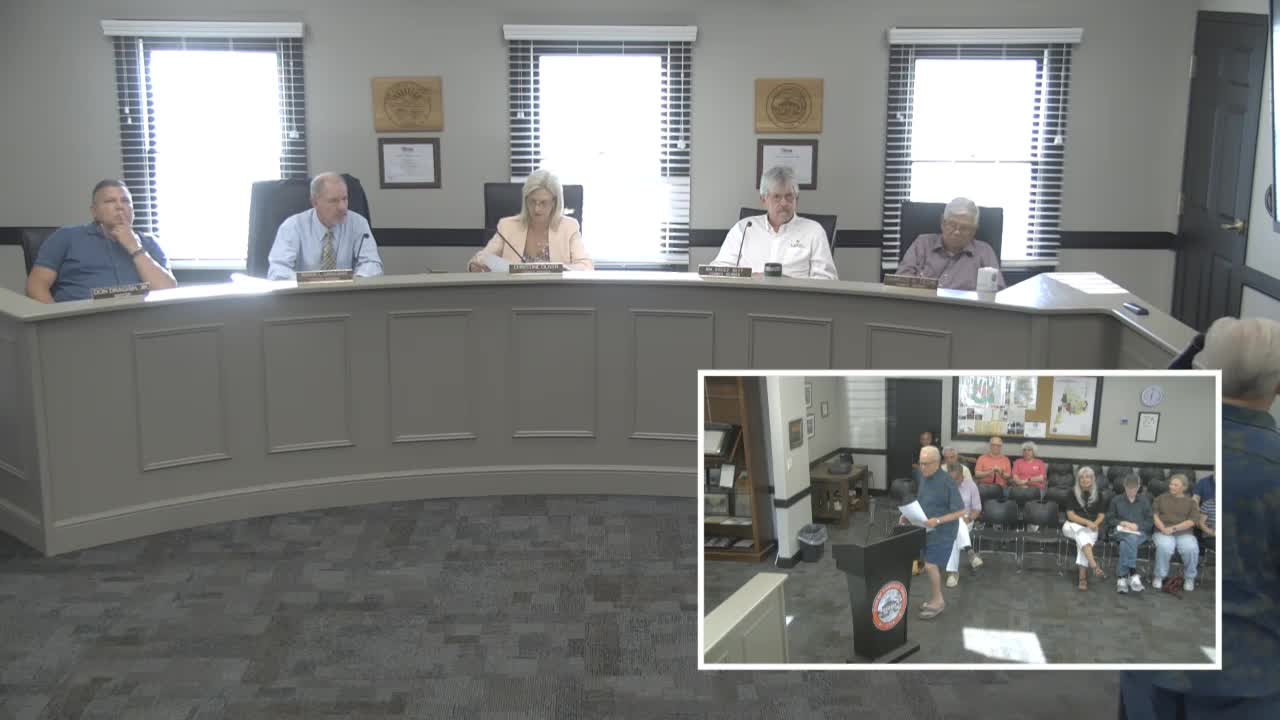
Residents press Canfield leaders for signs, relief from Route 11 truck noise; city staff to research options
Summary
Several residents living near the Route 11 exit asked the Canfield City Council to pursue signage and other measures to reduce heavy-truck noise. Staff said the highway property is in the township and ODOT will install but not pay for signs; city attorney and manager will research legal and funding options.
Residents who live along the Route 11 exit ramp urged the Canfield City Council to seek relief from heavy-truck noise and to pursue ‘‘no jake brake’’ and other signage after years of increased traffic and louder engines.
Several residents from the Talisman Drive area described repeated nighttime noise, braking and engine-retarder use that they said resembles a racetrack and reduces their quality of life. They told the council they had pursued a noise wall in prior years but were told by state and township officials that a wall was not feasible because the condominiums were built after the highway. The group asked the city to work with township trustees, the county and the Ohio Department of Transportation on signage and enforcement.
Resident David (Dave) Kenny told the council the cost for six signs would be about $1,850 and that ODOT indicated it would install the signs if a legal sponsor requested them and paid for the signs. Kenny said ODOT provided the hardware and installation but would not fund the signs themselves. ‘‘It comes to $1,850 for the 6 signs, and the ODOT will install it,’’ he said.
City Manager Dapolito and Attorney Fortunato told residents that the stretch in question is in the township and that the city does not own the right of way there. Fortunato said the township or the county commissioners would typically be the entities to request and approve certain actions on the state right of way. The council asked staff and the city attorney to research whether the city can legally pay for or participate in the cost and the procedural steps needed to get ODOT to install signs.
Council members and staff described two practical pathways discussed in the meeting record: (1) the township could request the signs from ODOT and pay for them; or (2) the city could pay directly for the signs and coordinate with the township and ODOT on installation. Staff noted there may also be a requirement that county commissioners pass a resolution to create a non‑braking or restricted zone, depending on the legal pathway.
No formal council vote was recorded on the matter. The city attorney and city manager said they would research the legal authority and funding mechanisms and report back to council and residents.