Get Full Government Meeting Transcripts, Videos, & Alerts Forever!
Get email alerts on the Community Finance topic
No spam. Unsubscribe anytime.
Beaumont adopts updated CFD goals and policies; caps effective special tax at 2%
Summary
City council adopted an amended and restated Special Assessment and Community Facilities District (CFD) goals and policies, replacing a 1995 policy. The update formalizes taxpayer protections, disclosure rules, reserve standards, escalation limits and security provisions for developer‑backed financings.
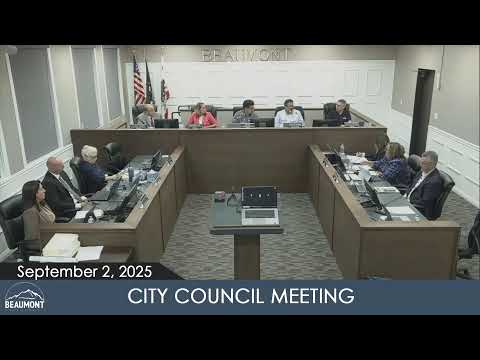
The Beaumont City Council adopted an amended and restated policy Tuesday that updates how the city forms and administers community facilities districts and special assessments.
The policy — a comprehensive revision of a 1995 framework — sets out standards for taxpayer protection, transparency and fiscal safeguards when the city uses CFDs to fund facilities and services for new development.
Shane Spicer, identified in the meeting as the city’s special tax consultant, told the council the revised policy codifies current best practices and legal requirements, including an effective tax‑rate cap and enhanced security provisions. The policy sets a recommended “effective tax rate” cap for special taxes at 2% of residential property value and instructs the city to require developer security when they retain substantial unsold property.
Highlights in the document the consultant described include: a cap of 2% effective tax rate for new districts; an escalation limit on facility taxes not to exceed 2% annually in some cases; a recommended requirement that developers secure 20% or more of the special tax exposure with letters of credit or comparable collateral covering two years of debt service; and a provision that if the effective tax rate would otherwise exceed 2%, the developer must prepay part of the special taxes to reduce the rate.
The policy also memorializes enhanced credit standards (a 4:1 buy‑to‑lien requirement was cited), mandates developer deposits and homeowner disclosure notices, and continues the city’s practice of leading financings where the city serves as issuer to capture potential refunding savings for property owners.
Councilmember White said during discussion that he did not feel comfortable approving the update without more information and abstained from the final vote. The roll call recorded Councilmember Finn: Yes; Councilmember Martinez: Yes; Councilmember White: Abstain; Mayor Pro Tem Voigt: Yes; Mayor Mary Lara: Yes. The motion carried.
Councilmembers and staff said the policy will be placed within the city’s financial policies and reviewed in the normal annual budget cycle to capture future changes. The consultant said the changes are intended to ensure “growth pays for growth” while protecting existing residents and reducing litigation risk.