
Little Rock School Board votes to join multi-district litigation against social media companies
Get AI-powered insights, summaries, and transcripts
Sign Up Free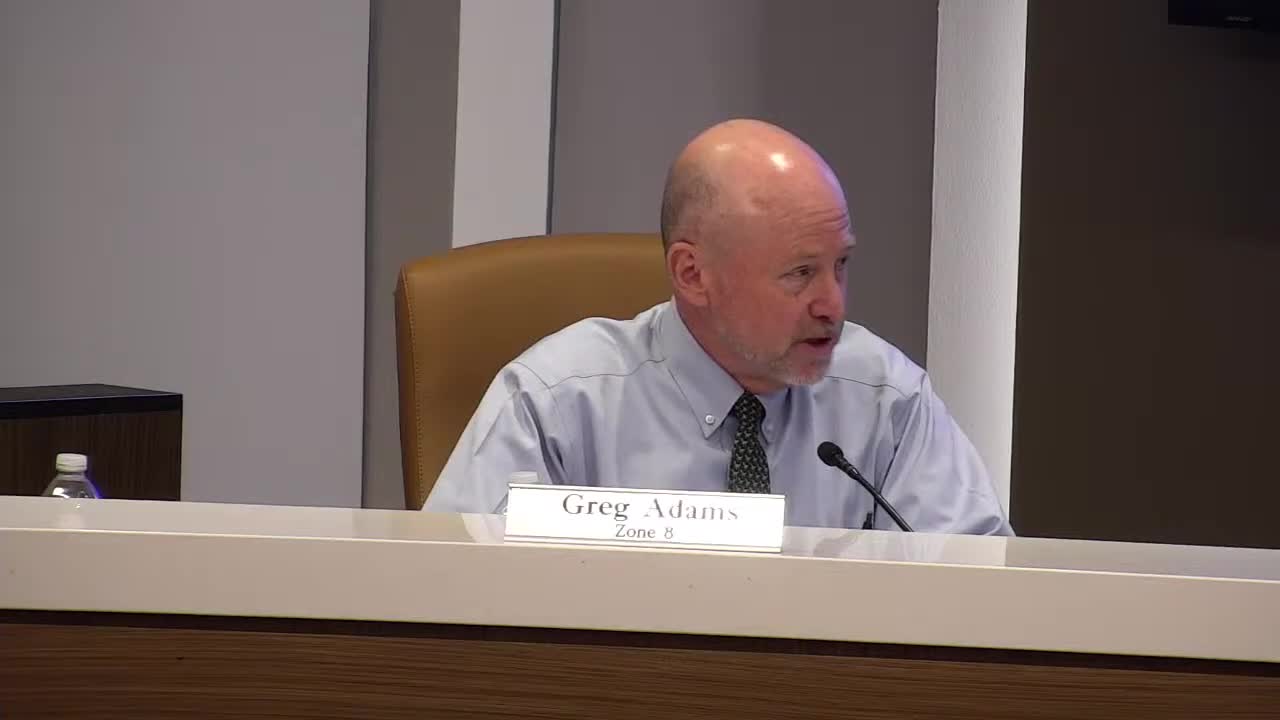
Summary
The board voted to join existing litigation alleging harms from social media to adolescents. A community member and attorney presented plaintiffs' evidence; the board approved joining the suit after debate about scope, terminology and staff time.
The Little Rock School District Board of Education voted Aug. 25 to join a multi-district lawsuit alleging that social media platforms have harmed adolescents' mental health and school performance.
Attorney Eric Spencer Buchanan, who addressed the board before the vote, summarized ongoing litigation developments and said judge-led selection of bellwether cases could resolve causation questions applicable to many districts. "Internal studies confirm that social media use amplifies anxiety, depression, and self-esteem problems, particularly among young users," Buchanan told the board and said a prompt filing is needed to preserve claims.
Board members debated the move. Supporters said the companies' business models and their focus on engagement create real harms that affect students and classroom learning. Director Adams said he supported participating because, if successful, litigation could yield remedies benefiting students and districts. Opponents and one board member urged caution, questioning the use of the term "addiction" and warning about staff time and complexity. "The scientists have not said it is a thing," one board member said, arguing that the clinical term ‘‘addiction’’ is not established in the peer-reviewed literature for social-media use.
Legal counsel clarified that joining the litigation under the proposed contingency arrangement involves no upfront cost to the district; counsel said plaintiff firms work on a contingency-fee basis and that the district would not pay legal fees unless a recovery is obtained. Board members also discussed the practicalities of participation, including investigators' access to district data and staff; counsel said most fact-gathering can be handled by phone and document production and that investigators would coordinate to limit disruption.
After debate the board voted in favor of joining the litigation. The board directed counsel to follow established steps to join as a plaintiff district in the coordinated litigation; counsel will handle filings and coordinate with the lead plaintiff attorneys.
Ending: The board approved joining the litigation. Counsel will proceed with filings and coordinate next steps; the district will not incur attorney fees unless a recovery is obtained or the board later authorizes a different arrangement.