Get Full Government Meeting Transcripts, Videos, & Alerts Forever!
Get email alerts on the Referendum Construction And Budget topic
No spam. Unsubscribe anytime.
MMSD updates referendum construction timeline; board previews budget amendments including 4K expansion and facility levy increase
Summary
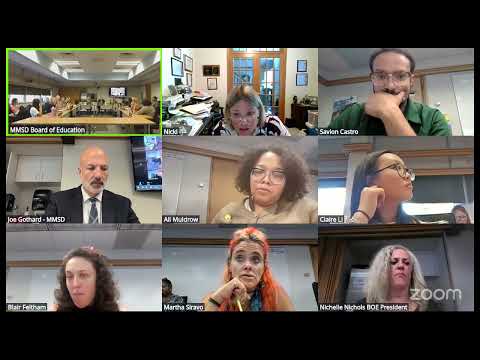
At the Sept. 15 Madison Metropolitan School District board meeting, building services staff reported progress on referendum school designs and staff presented proposed budget amendments that would expand full‑day 4K, add special‑education assistant positions, raise an annual facilities levy and consider board compensation and benefits.
Madison Metropolitan School District staff gave the school board an update on referendum construction work and presented a set of budget amendments the board will consider at a future meeting.
Scott Chien, the district’s senior executive overseeing building services, told the board the district has advanced schematic and design development for its phase‑1 referendum schools and has kicked off phase‑2 work. Chien said Cherokee Middle School entered phase‑2 design last week and that Senate Middle School was moved forward from phase‑3 into phase‑2; staff expect drawings and design development to proceed into construction documents next spring and summer.
Chien described outreach and staff input sessions used to refine layouts and curriculum needs, and said the district has completed key steps in city review including Unified Development Code (UDC) engagement and plan‑commission submittals. He told the board that team members are preparing the 95% design completion review in October and moving toward final construction documents.
Finance staff presented several proposed amendments for the board’s fall budget revision:
- Full‑day 4K expansion: Staff proposed converting some half‑day 4K classes to full‑day programs at both district and community‑partner sites and piloting a five‑day full‑day option. The amendment includes an increase of $595,600 for staffing (additional teacher and education assistant FTE and special‑education assistance tied to the conversions). The presenter said that conversion adds per‑site staffing needs and that community partner sites can provide wrap‑around care that MMSD cannot provide on site.
- Special‑education assistants (SEAs): Additional SEA allocations totaling $358,500 were proposed to cover elementary, middle and high‑school needs identified after workbook staffing decisions. The changes were tied to new enrollments and a small number of students with higher needs who moved from intensive intervention settings back into mainstream schools with added supports.
- Fund 41 (ongoing capital/maintenance levy): Staff proposed increasing the annual Fund 41 levy from $5 million to $7 million to expand annual facility‑maintenance capacity. Finance staff said Fund 41 allows the district to amortize and manage facilities expenditures separately from operating dollars and cited recent historical investment and backlog in building systems, roofing and HVAC work.
- Board compensation and benefits options: The administration presented a range of options for board member stipend increases and for making board members eligible for district health, dental and vision coverage, with a required monthly contribution by members. Staff reported comparative data from other Wisconsin districts and noted legal/ethics questions related to possible conflicts if board members were participants in the same benefit plans they might later approve; the district’s legal team was asked to prepare a memorandum on conflict‑of‑interest implications.
- Short‑term borrowing (Tax and Revenue Anticipation Note): Staff noted the routine annual short‑term borrowing (TRAN) request for up to $55 million to cover cash‑flow needs before January tax collections; staff said the requested range reflected recent practice and timing of state and local receipts.
District budget staff said some of the changes reflect reestimates in state special‑education aid and other categories; Bob Saldner summarized preliminary budget projections and the timeline driven by the “third‑Friday” enrollment count and an October 15 DPI revenue‑limit release that will finalize revenue estimates.
Board members asked for follow‑up information on accessibility and staffing for the referendum projects (elevators and accessible entries), details on how demolished school sites would be handled, and how the district will coordinate construction timing with instructional planning, teacher professional development and community engagement. Officials said the district plans public engagement sessions through winter and into early 2026 and would bring final budget amendment language and related policy updates to the board in September/October for action.
No board votes on the presented budget amendments or on referendum contracts occurred during the Sept. 15 meeting; staff asked the board for direction and flagged that some amendments will be presented for approval at the next regular meeting.