Get Full Government Meeting Transcripts, Videos, & Alerts Forever!
Get email alerts on the Equine Livery Proposal topic
No spam. Unsubscribe anytime.
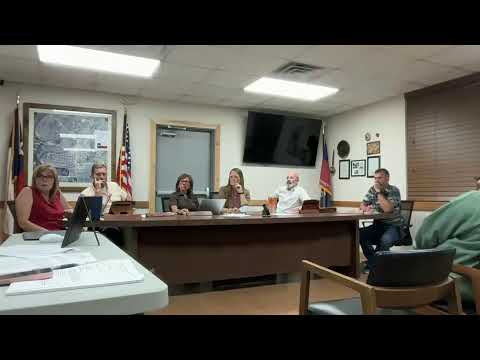
Volunteer group seeks 7-year lease for Bandera livery; asks city for water, electricity and cameras
Summary
A local equine group asked the City of Bandera to lease a small city-owned building as a volunteer-run livery (horse parking) site, requesting access to water and electricity and offering to cover most costs through donations and membership dues. Councilmembers raised liability, insurance and term-length questions but no formal vote was taken.
A local volunteer group presented a proposal to the City of Bandera to lease a small city-owned facility and operate it as a livery — a place where people can secure horses while visiting downtown. The group requested access to electricity and water, asked the council to consider a seven-year lease, and said volunteers and modest user donations or membership dues would cover most costs.
The request was presented as a tourism- and heritage-oriented amenity intended to give riders a safe place to tie—and monitor—their horses while in town. The proponents said they plan to provide removable tie-pins, garbage and manure bins, signage requiring proof of negative Coggins testing and a posted farm-animal liability notice. They also proposed installing cameras that users could access via a QR-code app to check on animals remotely.
The proposal’s backers said they would not ask the city for direct operating funds. “At this point access to electricity and water is all we’re asking from the city. No money,” a project proponent said. The group asked the council to consider cleaning up a nearby water tower and to allow coordinated wayfinding signs from trailheads into town.
Councilmembers and staff asked several operational questions. Councilmember Debbie Breen pressed the presenters on liability and enforcement: “How are you gonna handle the guy who doesn't wanna go through your QR system and just bypasses everything?” The presenters said the gate would be spring-loaded, users would be asked to donate rather than be charged a strict fee, and owners would remain responsible for their animals. The proponents acknowledged they might need to acquire a general liability policy before leasing city property.
Council feedback emphasized short initial terms, public notice and insurance. One councilmember suggested an initial two-year lease with a five-year extension, rather than seven years upfront, and recommended a public forum to allow other users of the site to comment. Another councilmember suggested coordinating with the Bandera Economic Development Corporation if the council preferred that the EDC contract with the group rather than the city itself. No motion or formal council action on the lease, utilities, or contract path was taken during the meeting.
The proponents said routine operations would include dawn-to-dusk hours, user responsibility for cleanup, posted signage about farm-animal risks, and camera access via a QR code. They also said removable pins and some infrastructure modifications could be stored on site and restored after use. City staff noted standard lease requirements would apply, including review by the city attorney and potential bonding or performance requirements if alterations were performed.
Next steps discussed included staff follow-up with the city attorney about acceptable insurance and lease terms, possible EDC involvement in contracting or funding assistance for utilities, and formation of a small committee of residents and business owners to refine operational details before returning to council.