
Decatur City presents $101.5 million FY2026 budget with one‑time pay, police raises and capital projects
Get AI-powered insights, summaries, and transcripts
Sign Up Free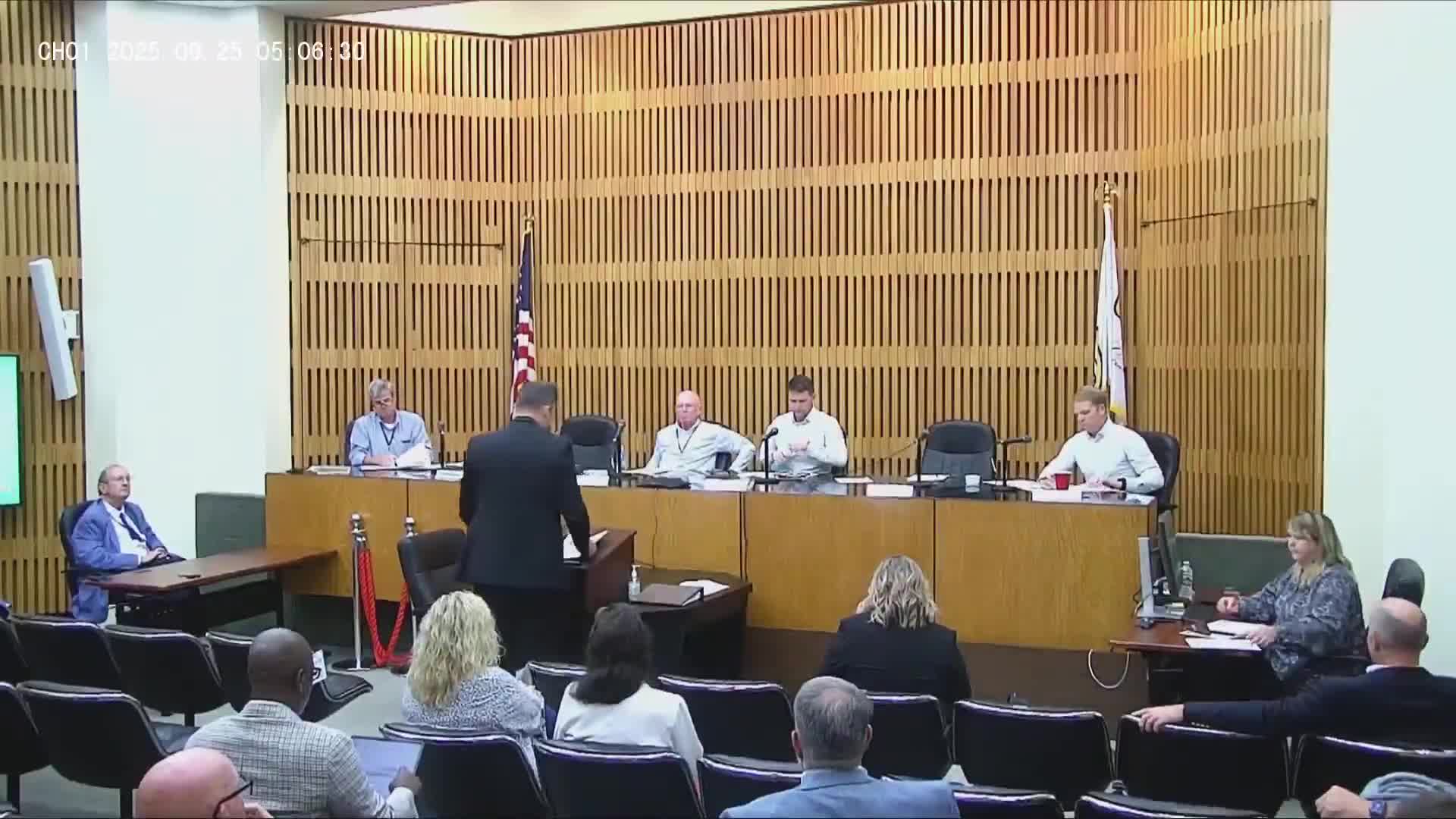
Summary
City Chief Financial Officer Kyle Demeester presented a proposed $101,500,000 fiscal 2026 budget that emphasizes personnel costs — including a $2,000 one‑time payment for most full‑time employees and a 5 percent increase or two‑step pay adjustment for badged police — and funds investments in fleet, park attractions and a five‑story parking deck.
Kyle Demeester, the city’s chief financial officer, presented a proposed $101,500,000 general fund budget for fiscal year 2026 to the Decatur City Council on Nov. 7, outlining increased personnel spending, targeted capital projects and continued reliance on sales and use tax as the city’s largest revenue source.
The proposal, an increase of $5,400,000 from the prior year, would use $1.8 million from fund balance, prioritize employee pay and retention, and hold most capital requests for separate council consideration, Demeester said. "This year has been the smoothest and most productive cycle yet," he told the council during the presentation.
Demeester said the budget includes a $2,000 one‑time pay bonus for all non‑probationary full‑time employees; the one‑time payment excludes badged police personnel. Badged police officers would receive a 5 percent cost‑of‑living increase or two steps on the pay scale, the presentation said. The budget also includes changes to pay grades for some department heads and upper management to align with market data.
Sales and use tax remains the single largest revenue source at roughly half of the city’s revenue budget. Demeester said Decatur expects steady, moderate growth in sales tax and highlighted that the city’s top 10 sales taxpayers account for about 30 percent of that revenue. The city is budgeting continued revenue from remote sales/use tax collections (reported as about $4,000,000 in 2025 and budgeted at $4,000,000 for 2026 in the presentation).
On lodging tax and tourism funding, Demeester reviewed the recent increase from 7 to 10 percent. He said the Convention and Visitors Bureau is budgeted to receive about 64.3 percent of the lodging tax revenue under the existing contract, which is set to expire in October. The budget also includes a separate $2 per room fee allocated for specific purposes. Demeester noted the city is evaluating municipal rules for short‑term rentals such as Airbnb to ensure the lodging tax is collected where appropriate.
Capital and equipment items in the presentation included a $280,000 refurbishment of three flume slides at Point Mallard, a $600,000 annual police fleet replacement program and a $500,000 annual non‑public‑safety fleet lifecycle allocation. The budget includes $1,500,000 in additional debt service capacity for future general obligation borrowing tied to projects such as a five‑story parking deck related to the Cook Museum expansion, and several recreation facility projects including improvements at Wilson Morgan Park and Point Mallard.
Demeester said the budget reduces the number of budgeted, unfilled positions to free up funds to pay for raises, noting that about 10 positions were removed from the budget as unfilled positions; the positions could be restored if they are filled during the fiscal year. He and other presenters emphasized attention to long‑term personnel cost pressures including retirement and insurance contributions.
Other items: the city budgeted roughly $4,000,000 in community appropriations to local nonprofits; $1,200,000 for the Convention and Visitors Bureau; a $500,000 appropriation to Decatur Public Library; and $500,000 to the Best and Brightest program. The landfill and recycling joint venture with Morgan County is budgeted for about $7,000,000 in capital improvements, including Cell 17 construction and equipment purchases.
Demeester highlighted administrative improvements: the CityView implementation for online business licensing (launch date discussed as Nov. 20 in the presentation) and continuing efforts to curb third‑party refund claims to business license revenues through proactive outreach. He also noted that the city will submit future capital requests individually to the council rather than bundling large capital items into the annual budget document.
No formal council votes were recorded in the transcript of the presentation. Council members and staff asked questions about revenue trends, lodging tax receipts, remote sales tax collections and timing of capital projects; the council did not take action during the presentation. The transcript records follow‑up discussion items and indicated staff would provide additional revenue trend data and continue work on short‑term rental regulations and contract discussions with the CVB.
The council recessed to reconvene at 10 a.m. Friday for further work on the budget and related contracts.