Get Full Government Meeting Transcripts, Videos, & Alerts Forever!
Get email alerts on the Labor Gig Workers topic
No spam. Unsubscribe anytime.
Senate approves bill allowing ride‑hail drivers to organize without changing contractor status
Summary
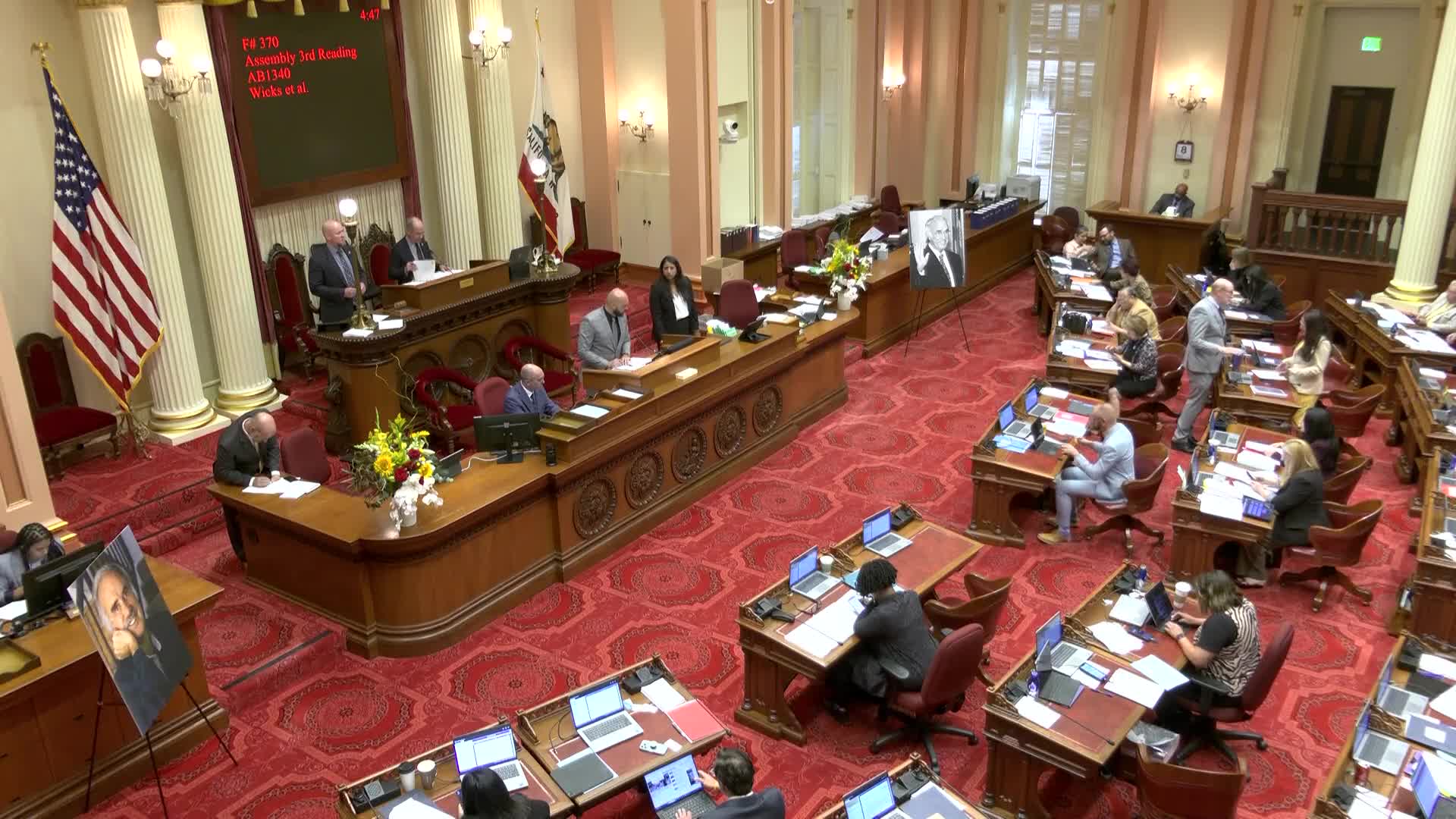
After often emotional floor debate, the California Senate voted 29–10 to pass AB 13 40, which gives transportation‑network company drivers a path to collective bargaining while leaving their independent‑contractor classification unchanged.
The California State Senate on Monday passed Assembly Bill 13 40 after an extended floor debate, approving a measure that creates a process allowing ride‑hail and other gig drivers to form and vote for a union while maintaining their status as independent contractors. Senator María Cortez (presenting the bill) said the measure creates “a pathway for transportation network company drivers to come together without fear of retaliation to form a union and bargain collectively.”
The bill’s principal provision does not reclassify drivers as employees but instead establishes a framework for worker organization and recognition after a certified vote. Cortez told colleagues the bill would extend collective bargaining rights “to 800,000 workers in California” and argued it would raise driver incomes and access to benefits while reducing reliance on public safety‑net programs.
Opponents said the measure undermines voter will and could reduce labor market flexibility. Senator Robert Strickland said many drivers told him they oppose the bill and cited Proposition 22, which the senator said reflected voters’ preference to preserve independent contractor arrangements. He also warned that costs could rise for consumers and reduce entry‑level opportunities for teens and others seeking part‑time work. Strickland urged colleagues to respect the result of Prop 22 and vote no.
Supporters countered that improved compensation and protections would attract more drivers and so reduce fares and wait times. Senator Mark Cabaldon said the bill “respects the independent contractor status that the voters approved in Proposition 22 and also assures the path towards collective bargaining, health insurance, and other benefits.” Senator Rubio likewise said stronger pay and working conditions can boost driver supply and lower consumer costs.
There was no change to drivers’ classification in the bill text, a point multiple speakers emphasized during the debate. The measure’s proponents framed it as a way to give drivers a voice and bargaining power without overturning the independent‑contractor model approved by voters in 2020.
On final roll call, the Senate approved AB 13 40, ayes 29, noes 10. The bill will return to the Assembly for concurrence with any Senate amendments and then to the governor as required by law.
Votes at a glance: AB 13 40 — Aye 29, No 10.
The measure drew attention statewide because of its potential effect on the gig economy and its intersection with the 2020 ballot measure (Prop 22). Supporters emphasized access to collective bargaining, while opponents cited voter intent, potential cost increases for consumers, and loss of flexible work opportunities. The bill’s author and supporters said it does not convert drivers to employees; the opposition disagreed with enacting a change of this magnitude in statute.
Looking ahead, the measure goes back to the Assembly (as the bill originated there) for final steps in the legislative process before transmittal to the governor. Implementation details, including how recognition and bargaining would be certified and administered, will be finalized in implementing regulations and guidance if the bill is enacted.
Provenance: Senate floor, third reading and debate; presentation and roll call occurred in the transcript beginning at the speaker turn where AB 13 40 was read and presented (Senate transcript timecode ~9352.435) and concluding with the roll call recorded later in the transcript (~9996.279).