Get Full Government Meeting Transcripts, Videos, & Alerts Forever!
Get email alerts on the Public Comment Complaint topic
No spam. Unsubscribe anytime.
Visitor alleges board misconduct and pending depositions during public comment
Summary
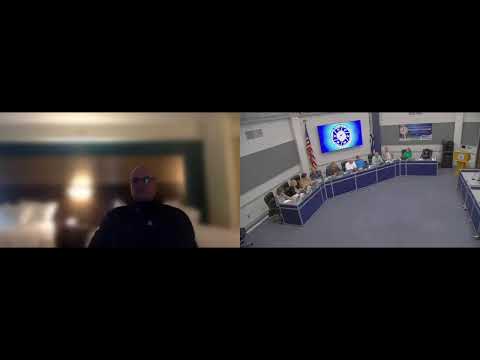
A visitor addressing the Mill Creek Township School Board on Sept. 22 accused board members and district attorneys of improperly using taxpayer funds and said a judge had found the board had illegally sued him; the visitor spoke during the three-minute public comment period and the board closed his time.
A visitor addressing the Mill Creek Township School Board on Sept. 22 alleged the district and certain public officials had acted improperly and said he has filed a federal complaint.
Mr. Aliota, who spoke during the meeting’s public comment period, told the board: “Has any school board director seen or discussed any of the issues of my federal complaint? Are you all living in the dark? Taxpayers of Mill Creek wanna know why they have to pay the cost of litigation when it has already been discovered and ordered by Judge Brabender that the school board illegally sued me and illegally used taxpayer money to sue me.”
He also said a district attorney named Devlin had failed to provide discovery production and that board members and former superintendents had damaged his livelihood and reputation. “Public officials…have destroyed my life, my livelihood, defamed me to thousands of taxpayers, parents, and students, and continue to abuse their position to continue to silence me,” he said.
The board did not take public action in response to the comments during the meeting. The presiding officer concluded Mr. Aliota’s allotted time and invited continuation outside the meeting; Mr. Aliota said, “To be continued.”
The statements were made in the public comment segment of the meeting and were presented by Mr. Aliota as claims and allegations; the board did not make findings during the meeting and no court documents or orders were read into the public record during the session. The board’s public participation policy (policy 903) governs speaker procedures and the chair enforced the three‑minute time limit.
Transcripts and meeting minutes available through the district will contain the formal record of the comments and any subsequent board responses or legal filings.