Get Full Government Meeting Transcripts, Videos, & Alerts Forever!
Get email alerts on the Immigration Detention Contracts topic
No spam. Unsubscribe anytime.
ICE asks Carbon County jail to house short-term male detainees and low-level female detainees
Summary
Immigration and Customs Enforcement (ICE) discussed a proposal to use space at the Carbon County Jail for short-term male holds (under 72 hours) and low-classification female detainees, raising questions about contract terms, liability and community impacts.
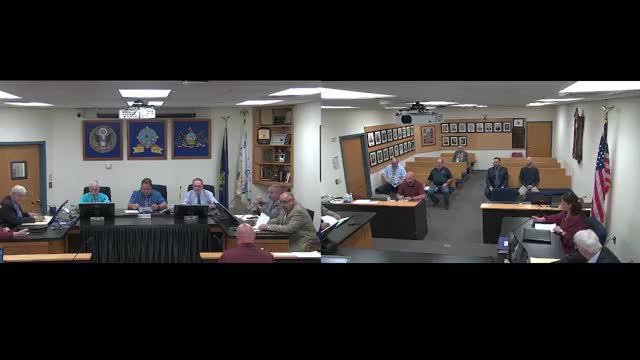
Immigration and Customs Enforcement officials told the inspectors of the Carbon County Jail they are exploring a contract to place short-term male detainees and low-classification female detainees at the county facility.
ICE Assistant Field Operations Director Joshua Reid said the agency is seeking “female bed space and under 72 hours for males” because existing detention locations are distant from operations in the Allentown area. He described the operation model as using the county facility for brief holds for males — “under 72 hours” — before transporting them to a longer-term ICE facility, and keeping low-classification females for immigration proceedings that can span days to months.
The discussion matters because it would create a formal contract between Carbon County and ICE, with implications for jail staffing, medical and transportation costs and legal liability. County Solicitor Bob raised liability concerns tied to housing people in county custody under an ICE contract, saying, “my largest concern here is just liability for alleged, unlawful detentions.” He asked for contract language and indemnification terms before the county commits.
ICE staff described operational details and constraints: bed counts would vary with daily population, and male holds were discussed as generally five to 10 beds for short-term use. On female detainees, ICE staff said the agency had requested up to the number the county could provide and recalled prior conversations that mentioned a 15-person maximum during some planning discussions; actual numbers would be negotiated in the contract. Reid gave a broad per-diem range for detention contracts: “typically between mid eighties and ... as high as a 120, 130,” and said some facilities operate above $100 per day.
ICE said medical care for detainees requiring outside treatment is approved and covered through its Immigration Health Service Corps, and facilities would bill for extra guard or transportation hours. The agency offered access to its interpretation service, which it called “line merge,” for jail staff needing language support.
Board members and local officials pressed on community impacts and operational readiness. Multiple inspectors and a board member raised concerns about local law enforcement capacity to respond to possible protests or security incidents and wanted clarity on the expected cost or revenue to the county. One board member said that if the county accepted an ICE contract, “it’s gonna make front page news,” and asked the agency to provide a likely day rate and contract language for review.
ICE proposed reviewing an existing Pike County detention contract as a template. Board members agreed to request that contract and the per-diem rate information and to have the county solicitor review proposed contract terms; no formal action to sign a contract occurred at the meeting.
The board and ICE agreed on next steps: ICE will provide sample contract language or a copy of a Pike County contract and per-diem figures for review; the county solicitor will examine contract indemnification and liability clauses; the inspectors will discuss the matter again and, if satisfied, make a recommendation to the Carbon County Commissioners, who have authority to sign county contracts.
Evidence in the meeting transcript shows extended discussion but no vote or formal commitment to a contract. The board requested more detailed contract documents and rate information before taking any decision.
Ending
The inspection board expects to revisit the proposal after reviewing the Pike County contract and ICE’s proposed rates and indemnification language. The Carbon County Commissioners, not the inspectors, would need to approve any final contract.