
Port Arthur council debate grows over street-remediation plan, oversight and calls for audit
Get AI-powered insights, summaries, and transcripts
Sign Up Free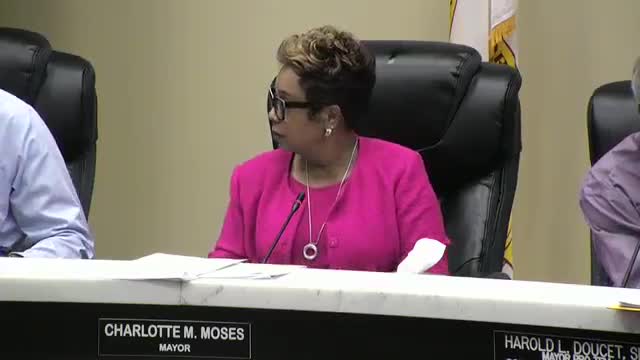
Summary
Mayor Pro Tem Mary Doucette and other council members clashed over implementation of the street remediation program and whether funds were being used for their intended purposes; Doucette urged public review, cited specific purchase orders and asked for clearer monitoring and possibly a forensic audit.
A contentious discussion about the city—s multi-year streets program dominated part of Tuesday—s City Council meeting, with Mayor Pro Tem Mary Doucette and other council members debating whether the program is being executed in accordance with the council-adopted plan and whether citizens can easily verify how funds have been spent.
Doucette, who framed her remarks as an informational presentation, told residents the street program was created to "bring about transparency, eliminate politics" and to allocate street funds by objective measures. She cited the city—s 2020 resolution that set an allocation approach and said many approved projects appear to include work outside the stated street-purpose scope. "If you won't know what we're supposed to be spending money on, look at the budget," she told the council, adding that the city should post a public dashboard showing which streets were funded, what work remains and how funds were allocated.
Doucette provided multiple examples she said show mismatches between fund purpose and work done: purchase orders that include water-line replacement or drainage work billed to street accounts; beautification and landscape payments tied to funds she said were meant for reconstruction; and contracts or staffing charges she suggested should be processed through other accounts. She stopped short of alleging pocketing of funds but said the pattern raised concerns about "financial mismanagement" and recommended a forensic audit or other independent review to resolve doubts.
Several other council members pushed back. Council member Scott said an earlier forensic audit in 2016 produced no criminal findings and cautioned against public accusations. Council member McKinlaw and others said the original program intentionally channeled more funds to larger districts with more miles of poor pavement, and that selections reflected staff and district input. Council member Frank said the program was intended to be visionary and called for patience with implementation.
Council member Doucette and others asked staff to repost the program documents and the 2020 resolution online. The city manager said project lists, the certificate of obligation spending plan and other materials have been provided in budget workshops and can be made available again. Multiple council members asked staff to bring back clearer documentation showing how the $18 million in certificates of obligation is being allocated and to clarify whether particular line items were appropriately charged to street accounts.
No formal independent-forensic audit motion passed during the meeting; instead Doucette said she would post supporting material for citizens and pursue follow-up in future council business. City attorney cautioned council members about making specific allegations without evidence and reminded members that the governing body must follow the city—s code and state law when taking any formal action.