Get Full Government Meeting Transcripts, Videos, & Alerts Forever!
Get email alerts on the Human Relations topic
No spam. Unsubscribe anytime.
Valparaiso council approves ordinance changing Human Relations Council appointments, removes 'advisory' label
Summary
The Valparaiso Common Council voted 5-2 to revise the municipal code for the Human Relations Council, giving appointment authority to both the council and the mayor and removing the word "advisory" from the body's name.
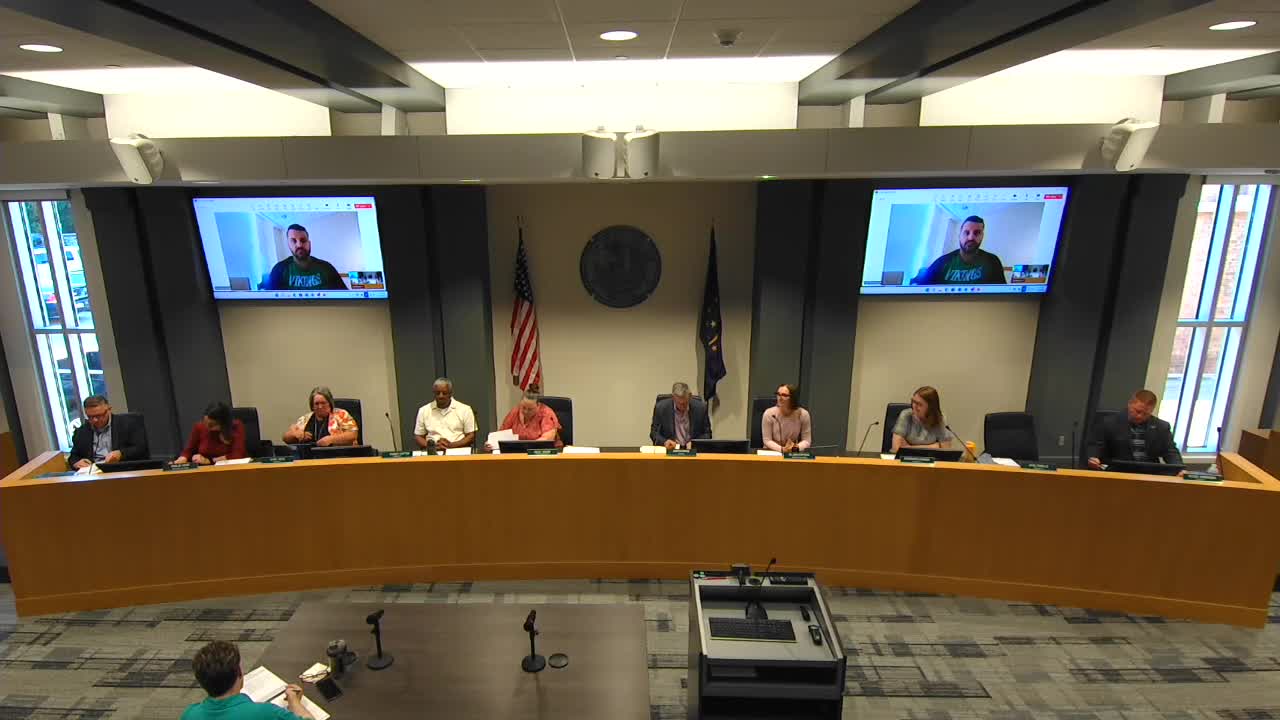
Ordinance 8-20-25, altering the structure and designation of Valparaiso's Human Relations Council, passed the Common Council on a 5-2 vote after extended debate.
The ordinance changes appointment authority for the Human Relations Council to six members appointed by the council and three appointed by the mayor and removes the word "advisory" from the council's name, elevating its public visibility and standing in city code.
Councilwoman Hunt, who led council remarks in favor of the ordinance, said the changes "reflect the City Council's ongoing commitment to building an inclusive, respectful, and equitable community" and argued that shared appointment authority “ensures broad representation, diverse perspectives, and fosters...shared governance.” President Capitan and other supporters said the revision strengthens checks and balances between the legislative and executive branches and makes the body more public-facing.
Mayor Costas spoke in opposition. He described the existing advisory arrangement as effective for coordinating city services and said the mayor's office "is in charge of the delivery of all city services," adding that he feared shifting appointments could reduce the entity's effectiveness advising the mayor on operational matters. The mayor said the current configuration had been useful as a direct advisory channel to the executive branch.
Supporters responded that retaining a strictly mayor-appointed or strictly council-appointed panel could fragment services or create duplicate boards. One council member said creating two human-relations panels would "breed the very division the AHRC has built to address and which this amendment seeks to prevent." Council members emphasized that the ordinance does not change the stated charge or mission of the Human Relations Council.
The council called the roll; the clerk recorded the ordinance as passing 5-2. The two dissenting votes were recorded in roll call as Papillo and Anderson; the clerk announced the final tally as five in favor, two opposed.
The ordinance text, as read on second and final reading, remains the controlling municipal revision until the effective date specified in the enacted ordinance. Council members said the change can be revisited in the future if necessary.
Votes at a glance: Ordinance 8-20-25 — Approved, 5–2.