Get Full Government Meeting Transcripts, Videos, & Alerts Forever!
Lapeer workshop reviews incentives, zoning tools for reuse of White Junior High site
Summary
City staff described financing tools developers prefer — including low-income housing tax credits and housing tax increment capture — and presented conceptual site layouts for the city-owned White Junior High property. Commissioners and residents debated density, homeownership versus rental models and how much tax incentive the city should offer.
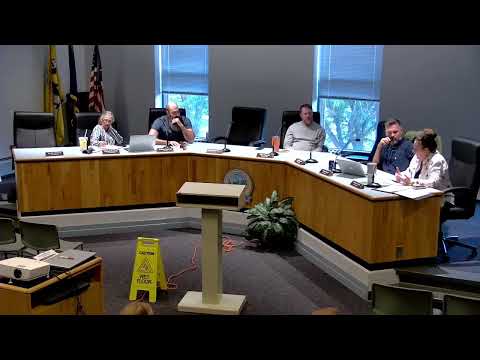
LAPEER, Mich. — City staff briefed the City Commission and members of the public on financing tools, zoning options and conceptual site plans for redeveloping the city-owned White Junior High property during a housing workshop Wednesday night.
The session, led by Denise Soldensky, director of housing for the City of Lapeer, outlined incentives developers typically seek — chiefly low-income housing tax credits (LIHTC), housing tax increment financing (HTIF) and payment-in-lieu-of-taxes (PILOT) agreements — and the tradeoffs those tools create for municipal revenue and long-term property stewardship.
“I'm Denise Soldensky, and I work with the department the housing department for the city,” Soldensky told commissioners and attendees as she summarized meetings with six developers and explained basic income bands used in affordable housing finance. The presentation included example area median income (AMI) thresholds used by developers: a four-person household at roughly $30,300 (30% AMI), $50,500 (50% AMI), $80,800 (80% AMI) and $121,200 (120% AMI).
Why it matters: The White Junior High parcel is city-owned and centrally located, so the commission could shape whether future housing there is owner-occupied starter homes, workforce housing up to 120% AMI, or rental developments aimed at households at 30–80% AMI. The choices affect tax revenue, neighborhood character and which funding sources and approvals will be required.
What staff presented and developers said
Soldensky said most developers she spoke with prefer projects that use LIHTC — a two-rate…
Already have an account? Log in
Subscribe to keep reading
Unlock the rest of this article — and every article on Citizen Portal.
- Unlimited articles
- AI-powered breakdowns of topics, speakers, decisions, and budgets
- Instant alerts when your location has a new meeting
- Follow topics and more locations
- 1,000 AI Insights / month, plus AI Chat