Get Full Government Meeting Transcripts, Videos, & Alerts Forever!
Get email alerts on the Mental Health Policy topic
No spam. Unsubscribe anytime.
CareOregon policy change cuts reimbursement for associate counselors; local therapist warns of access loss
Summary
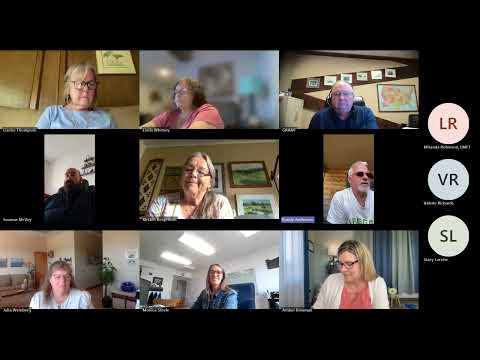
Amber Bowman, a Clatsop County counselor who runs the Lotus Center for Neurodiversity, told the county health advisory committee that CareOregon ended reimbursement for associate‑level mental health providers effective July 31 and announced it will stop paying out‑of‑network providers beginning Oct. 1.
Amber Bowman, a counselor who runs the Lotus Center for Neurodiversity, told the Clatsop County Health Services Advisory Committee that CareOregon has enacted a policy change that will end reimbursement for associate‑level mental health providers and, starting Oct. 1, will stop paying out‑of‑network providers.
The policy, Bowman said during an Aug. meeting of the advisory committee, took effect July 31 and “will no longer reimburse associate level mental health providers, for mental health counseling.” She said she first learned the later, network‑restriction update on social media and that she applied to join CareOregon’s network in February but had not received a response.
The change reduces the set of local therapists available to people insured by CareOregon, Bowman said, and funnels those clients to community mental health agencies where wait lists and staff turnover are already common. “This policy change funnels our community members who have CareOregon to those options only,” Bowman said.
Why it matters: Bowman said she had more than 20 clients covered by CareOregon before July 31, many with complex diagnoses (autism spectrum disorder, ADHD, PTSD, anxiety, depression, fetal alcohol spectrum disorder, intellectual and learning disabilities) and with weekly appointments. She warned that loss of local providers risks interrupting ongoing care and harming trust built between clients and therapists.
Bowman described several practical problems she says will follow the policy change: fewer local in‑person appointments for children, longer travel distances for families (she said the nearest comparable provider she found was about 60 miles away), greater reliance on telehealth where it may not be appropriate, and increased administrative cost if CareOregon must transport or reimburse mileage to out‑of‑county providers.
Bowman also described her own licensure situation: she said she has passed the licensing exam and met the required direct‑client hours but is one month short of the 36 months of supervised practice required for full licensure. Bowman said she asked the state board and CareOregon for interim accommodations (for example, counting certain supervision time or granting a short contract while she completed licensure); she said the board declined to count some prior supervision and that the short‑term solutions she suggested were denied.
Committee response and next steps: Commissioner Thompson and other committee members urged coordination with county officials and state contacts. Thompson offered to use her county commissioner role and contacts to press for a local channel to the managed care organization and suggested the committee prepare a concise summary of the problem, proposed solutions and timeline to present to the Board of Commissioners. Committee chair Randy and staff member Monica agreed to work with Bowman on a follow‑up; Monica said she would tentatively request a slot in a commissioners’ work session (the committee discussed a possible Sept. 17 daytime work session hold).
Bowman said she would distribute an updated copy of her slide deck to committee members and that she would meet with Randy to prepare materials for possible action by the Board of Commissioners or for Thompson’s outreach. The committee did not take a formal vote at the meeting; members discussed preparing documentation and raising the issue with the Board of Commissioners and statewide contacts.
Context and state role: Committee discussion referenced the Oregon Health Authority and the Health Equity Commission report, which committee members said warned about disproportionate effects on OHP (Oregon Health Plan) members, many of whom are children, people with disabilities and BIPOC members. Bowman and other speakers said the policy’s stated purpose — to increase quality and funnel associate clinicians into community agencies that can provide board‑approved supervision — may not work in rural counties where supervising clinicians and agency capacity are limited.
Bowman urged immediate attention from county leaders and from CareOregon. “We’re gonna have a huge need in this community because we’re small and there’s only a few providers that are contracted to provide behavioral health,” a committee member said during the discussion.
Ending: Committee members agreed to collect written examples, distribute Bowman’s slide deck, and attempt to have the issue placed before county commissioners for further action. Bowman said she would continue outreach to CareOregon leadership and to state officials.