Get Full Government Meeting Transcripts, Videos, & Alerts Forever!
Get email alerts on the Infrastructure Development topic
No spam. Unsubscribe anytime.
Granite Construction proposes asphalt plant near Woodland; council and residents raise traffic and infrastructure concerns
Summary
Granite Construction told Woodland leaders it may build an asphalt plant at Martin Bar outside the city limits on a 55-year lease; council members and residents questioned traffic impacts at Exit 22, lost city impact fees and potential mitigation offers from the company.
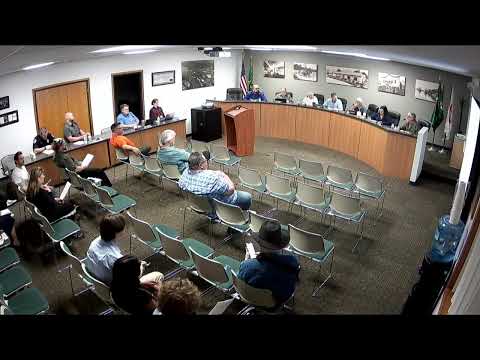
Granite Construction told Woodland city officials Sept. 15 that it is considering an asphalt plant at the Martin Bar site outside city limits, prompting questions from the mayor, council members and residents about long-term traffic, road impacts and how the city might be compensated.
Mayor Todd Deinhardt said the site is outside Woodland’s jurisdiction and would be a county permitting decision, but he told the council Granite had approached the city to explore partnership options. “I recommend them and I’m all for being partners,” Deinhardt said, while also emphasizing the city’s concerns about infrastructure impacts near Exit 22.
Why it matters: a long-term industrial operation nearby could increase heavy truck traffic on routes used by Woodland residents and school buses, and because the plant would sit outside city limits the mayor said the city would not receive typical impact fees for roads, schools or utilities. Deinhardt said that if a similar facility were inside city limits, the city’s road impact fees would be roughly $145,000 a year, calculated using estimated peak-hour trips.
Council and public discussion focused on traffic, seasonal operation, past projects and possible mitigations. Deinhardt said Granite offered several mitigation options in early discussions, including a one-time in-kind or material credit—$50,000 of asphalt for a city project—or an annual gift of $10,000 for five years. He described the lease length discussed as 55 years.
Residents and officials pressed the city’s public-works staff about prior, similar projects and whether the county or port had previously acted on comparable proposals. A resident said prior projects—such as Knife River—had raised similar concerns years earlier. City staff said Granite has exchanged emails and met with staff, and that the city had asked the company to help quantify traffic and road impacts.
Deinhardt and staff said the plant would likely operate year-round but with much lower production in winter months. The mayor said Granite had done a traffic study and that staff and the county would continue conversations; he said he would stay in contact with staff and the company.
The meeting did not include a council vote or formal action on the plant. Council members and residents said they welcomed the prospect of local jobs but emphasized the city needed clearer mitigation plans and coordination with county permitting authorities before taking a formal position.
Next steps: staff will continue to communicate with Granite Construction and county officials; council members said they expect follow-up briefings once more detailed mitigation and traffic studies are available.