Lifetime Citizen Portal Access — AI Briefings, Alerts & Unlimited Follows
U.S. District Court runs courtroom simulation to introduce D.C. students to justice careers
Loading...
Summary
The U.S. District Court in Washington, D.C., ran an immersive civics program in which high school students toured court operations and took part in a mock hearing based on Tinker v. Des Moines to explore First Amendment issues and careers in the judiciary.
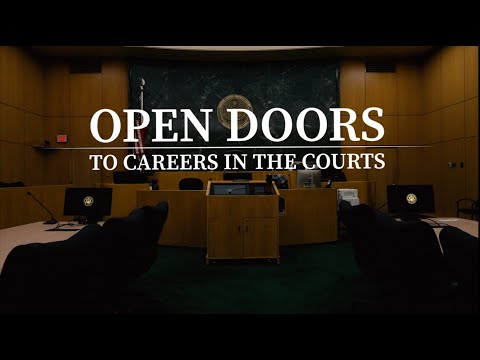
The U.S. District Court in Washington, D.C., hosted high school students for an immersive civics education and courtroom simulation led by U.S. Magistrate Judge Zia Farooqi. The program combined a behind-the-scenes tour of court operations with a realistic mock hearing that asked students to analyze a First Amendment issue involving a student protest and school dress code.
Program organizers said the experience is intended to demystify courthouse jobs and show students the range of roles that keep federal courts functioning, from clerks and interpreters to court reporters and judges. “Our mission is justice. And we need people to wanna come in here and help us build out that journey to justice,” said a court staff member involved in the program.
In the simulated hearing, students served as judges, lawyers and jurors to examine a contemporary First Amendment question tied to Tinker v. Des Moines, the 1969 Supreme Court case that established that students do not “shed their constitutional rights to freedom of speech or expression at the schoolhouse gate.” Volunteer attorneys coached student lawyers before oral argument, and jurors considered how a school dress code might affect free expression.
Students and court employees described the exercise as both educational and career-oriented. “I had a lot of fun. I learned about all the people that go into making a trial happen,” said a student who participated in the simulation. A court employee who described starting in an entry-level position and later becoming a clerk of court said the courthouse gave them an opportunity they had not had elsewhere and that they wanted to “give back” to other young people exploring legal careers.
Program staff noted that many courtroom and courthouse jobs do not require law degrees. “If you’re super organized, maybe you’re gonna wanna work at the clerk’s office. Do you love languages? Well, come be an interpreter. There’s no requirement to be a lawyer for the vast majority of these jobs,” a court staff member said.
Organizers identified Just the Beginning, a nonprofit that places students on pathways to legal careers, as a program partner for some participants. The court said the simulation is intended to help students see how constitutional principles such as free speech apply to real scenarios and to encourage a more diverse courthouse workforce.
No formal policy changes or votes were recorded during the presentation. The program was described as an outreach and educational initiative rather than a decision-making item.
The court said similar events occur throughout the year to introduce youth to courthouse roles and to encourage interest in judicial and support careers.