Get Full Government Meeting Transcripts, Videos, & Alerts Forever!
Get email alerts on the Child Care Eligibility topic
No spam. Unsubscribe anytime.
Senate Human Services Committee approves SB 792 to align child‑care income limits, extend fee exemptions
Summary
The Senate Committee on Human Services voted 5-0 to concur in Assembly amendments and pass SB 792 to the floor. The bill aligns income thresholds across state child-care programs to 85% of the State Median Income, clarifies reimbursable attendance, and doubles certain family fee exemptions for children involved with child protective services.
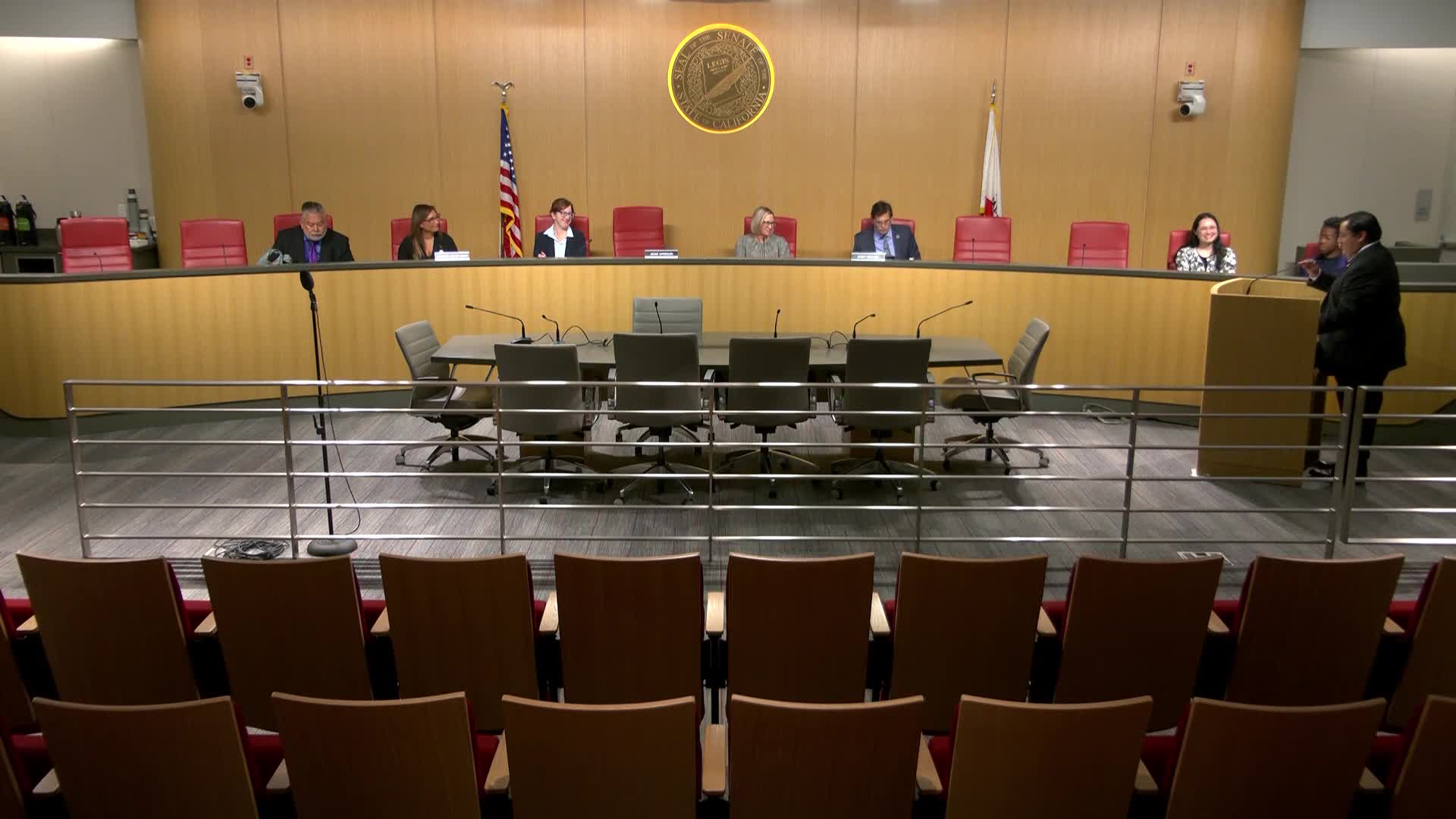
The Senate Committee on Human Services on Sept. 10 voted 5-0 to concur in Assembly amendments and pass Senate Bill 792 to the floor, advancing a measure that updates income eligibility and attendance rules across California child‑care and development programs.
Sen. Ari Gwynn, who presented the bill to the committee, said SB 792 “will align the disenrollment income eligibility threshold across the childcare and development programs administered by the California Department of Social Services from 70% to 85% of the area median income.” He added that the bill “clarifies that for reimbursement purposes, attendance includes excused absences for medical and educational appointments and days when a provider is required to hold a child's space while the family is presumed to have abandoned care or is appealing disenrollment.”
The bill also extends family fee exemptions from 12 months to 24 months for children referred for, or at risk of receiving, child protective services. “I respectfully ask for your aye vote,” Gwynn said during his closing remarks.
Sen. Becker moved concurrence in the Assembly amendments; the committee secretary then called the roll. Senators Adegeen, Achobogue, Becker, Lamone and Perez were recorded as voting aye. The committee chair announced the bill passed on a vote of 5 to 0.
Nut Graf: Child care subsidies and rules governing enrollment and reimbursement affect low‑income working families across California. SB 792 updates statutory cross‑references and program rules so families who remain eligible do not lose benefits because of inconsistent income thresholds or procedural ambiguities, and it extends temporary relief from family fees for children involved with child protective services.
In committee discussion, members offered brief remarks in support. No witnesses testified in the hearing room in favor of or opposed to the bill, according to the committee record. The committee recessed briefly while additional members recorded votes and then reconvened to complete the roll call.
What SB 792 would change - Income eligibility: Aligns references across child‑care and development programs to reflect an 85% State Median Income (SMI) eligibility level rather than lower or inconsistent thresholds. The presenter said this prevents erroneous disenrollments when families remain eligible. - Attendance and reimbursement: Clarifies that reimbursable attendance includes excused absences for medical and educational appointments and days when providers must hold a child’s space because the family is presumed to have abandoned care or is appealing a disenrollment decision. - Family fee exemptions: Extends exemption periods from 12 to 24 months for children referred for, or at risk of receiving, child protective services.
Committee action and next steps The committee’s motion was to concur in Assembly amendments and “do pass” SB 792 to the Senate floor. With the committee vote recorded as 5 to 0, the bill moves forward to the next stage of floor consideration. The transcript does not specify further implementation steps, funding sources, or an effective date; those details will be addressed in subsequent floor analysis or implementing guidance from the California Department of Social Services if the bill becomes law.
Context and limitations Sen. Gwynn framed the bill as preventing eligible families from being erroneously disenrolled from child‑care services they depend on to maintain employment and family stability. The committee record shows no public testimony in the hearing room. The transcript does not specify whether the changes require state budget adjustments or administrative rulemaking by the California Department of Social Services; those items are not specified in the committee discussion recorded in the transcript.
Ending: The Senate Committee on Human Services adjourned after completing the SB 792 vote; the bill will next proceed to the Senate floor for further consideration.