Get Full Government Meeting Transcripts, Videos, & Alerts Forever!
Get email alerts on the Code Enforcement Sweep Tickets topic
No spam. Unsubscribe anytime.
Audit finds weaknesses in sweep-ticket accounting and enforcement; council debates ways to increase compliance
Summary
An internal audit presented to Allentown City Council found sweep-ticket liabilities kept off the city’s main accounting system, inconsistent application of progressive fines, and payment-timing practices that differ from the city ordinance.
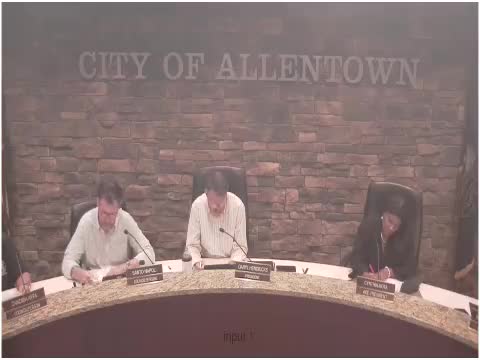
An audit of Allentown’s sweep (quality-of-life) ticket program presented to council identified multiple control weaknesses in ticket accounting, fine assessment and payment processing, and prompted a sustained council discussion about how to improve compliance and neighborhood quality of life.
Auditor findings: The audit report, presented by Mr. Glazer, said sweep ticket accounts receivable are maintained separately from the city’s central financial system, leaving a liability off the city’s munis records. The auditors recommended integrating the sweep receivables into the city’s financial reporting but noted the administration said it lacks staff capacity to perform the integration now.
The audit tested samples and found progressive fines described in the ordinance were not consistently applied. “None of the unpaid sweep tickets had progressive fines assessed,” Glazer said of a 13-address sample; the sample’s unpaid tickets totaled $4,238.95. The audit also tested payment timing and found the department allowed up to 14 days before applying late fees even though the ordinance requires payment or appeal within 10 days. The audit recommended either updating ordinance language to match current practice or enforcing the ordinance as written.
Outstanding liabilities: The audit enumerated outstanding sweep tickets and amounts across multiple years. The presenter reported that, according to the record, 2025 showed 1,558 outstanding tickets totaling just shy of $135,000; 2022–2024 had 9,411 outstanding tickets totaling about $1,158,000; 2016–2021 showed 8,880 tickets outstanding for just over $1 million; and pre‑2016 about 9,000 tickets outstanding (spoken values reproduced from the meeting record).
Department response and enforcement tools: Mr. Stout, who identified himself in the meeting as sweep and animal control manager, said the department has aggressively pursued collections and, in some cases, taken property owners to magisterial court where fines have been paid or have led to evictions in extreme cases. Stout said revenue from the sweep program has increased since 2019 as enforcement activity rose.
Council debate: Council members raised practical enforcement questions: is magistrate action effective, is the cost of issuing tickets justified by collections, and can the city use licensing and registration holds (for business licenses or rental registrations) to compel payment before renewal? One councilor suggested tying outstanding sweep-ticket payment to business or rental‑registration renewals so nonpaying owners cannot renew licenses until fines are cleared. The department said magistrate proceedings take four to six weeks to schedule and that certified-mail delivery failures can stall the process.
Stakeholder input: Members of the public and councilors emphasized quality-of-life impacts in neighborhoods where repeat violations occur. One councilor noted the program is about compliance, not revenue, and urged collaboration among departments — solid waste, building standards, health, rental registration and courts — to address frequent offenders and improve neighborhood conditions.
Why it matters: The audit highlights potential gaps between ordinance language and current administrative practice, carries implications for neighborhood quality of life, and raises questions about recoverable revenue and administrative cost-effectiveness. The council asked administration and departments to collaborate on options (including ordinance changes or practice adjustments) to improve compliance and ensure enforcement yields meaningful results.
What the record does not provide: The meeting transcript quotes outstanding-ticket totals and sampled dollar amounts as the auditor spoke; this article reports those figures as spoken in the meeting rather than independently verifying them from accounting records.