Get Full Government Meeting Transcripts, Videos, & Alerts Forever!
Get email alerts on the Parks Placemaking topic
No spam. Unsubscribe anytime.
Consultant showcases parks, ‘cool pools’ and temporary interventions as low‑cost paths to placemaking
Summary
Presentation highlighted parks and public‑space tactics — quick wins, community parks initiative, 'parks without borders' and low‑cost 'cool pools' — as ways to build community and spur economic activity while larger plans and funding are developed.
Mitchell Silver devoted a substantial portion of his presentation to parks, place making, and short‑term tactics municipal governments can use to create visible improvements while longer capital projects are planned and funded. He told the joint meeting that public spaces are central to residents’ quality of life and can generate economic value, visitation and community pride.
Silver described three complementary approaches: temporary or low‑cost “quick wins”; targeted capital investment driven by prioritized actions; and regulatory fixes that enable walkable, mixed‑use development. He used examples from cities where small, visible improvements changed public perception and increased demand for nearby investment.
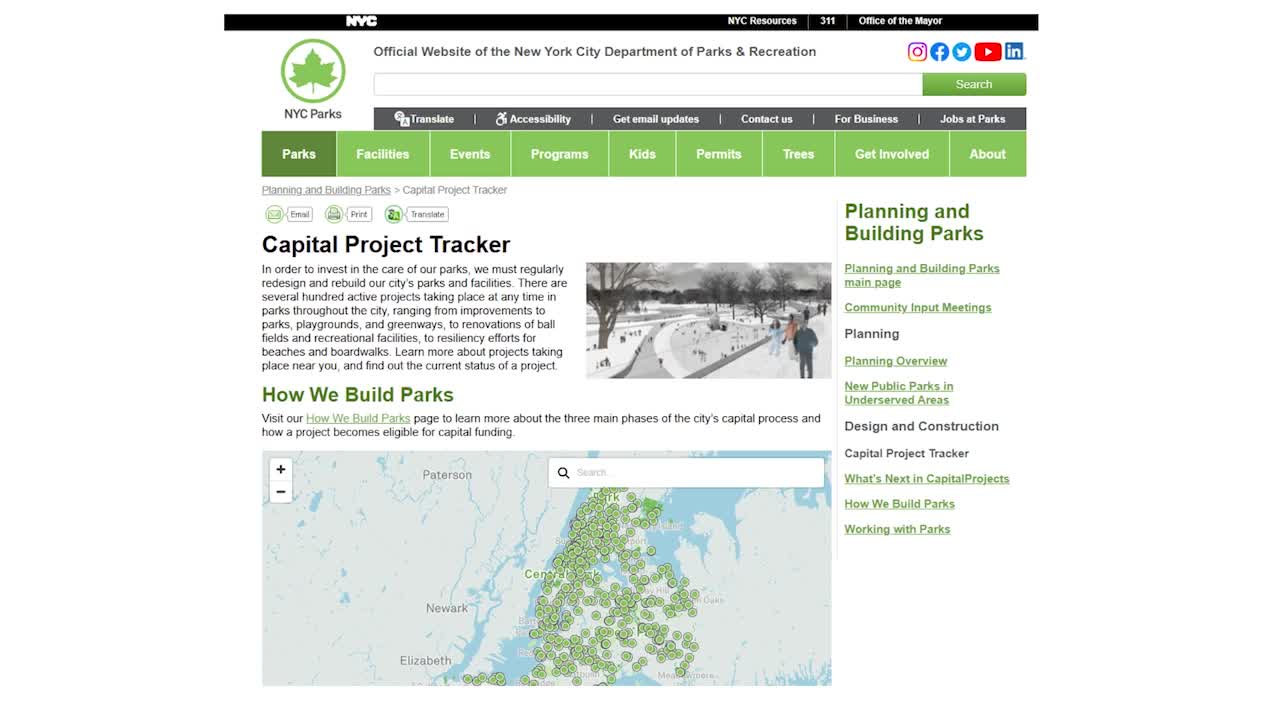
Examples cited: Silver described a Raleigh parks initiative that targeted 67 underinvested parks for staged improvements and a public reporting program that tracked hundreds of capital projects. He also described “parks without borders,” an approach to lower or remove fences and reconfigure park edges so sidewalks and open space form a seamless public realm. “We took these 67 parks and put them in the front of the line,” he said, describing a program that combined capital funding and visible short‑term actions.
Another example Silver highlighted was a low‑cost “cool pools” program that refurbished neglected public pools using a mix of expense funding, staff labor and donations; the consultant cited an approximate per‑site expense of about $150,000 (donations and in‑kind contributions were part of the budget). He also pointed to a play plaza in Raleigh (Gibson Play Plaza at Dix Park) that drew hundreds of thousands of visits in its opening months as an example of parks acting as economic and social magnets.
Why it matters: Retreat participants repeatedly said residents value parks, green space and walkable public realms; Silver argued those amenities can help retain young adults, attract visitors and encourage local spending. He framed parks work as both a service (maintenance and care) and an economic generator when thoughtfully implemented.
Engagement and delivery: Silver recommended coupling public engagement with immediate deliverables so community members who invest time see tangible outcomes (the “quick wins” concept). He also urged cities to track implementation publicly with a capital tracker or dashboard so residents can follow progress and staff can be held accountable.
What wasn’t decided: No capital appropriations or specific park projects were adopted at the retreat. Silver’s examples were presented as options and models; any local program will require separate authorization, budgets and public review.