Get Full Government Meeting Transcripts, Videos, & Alerts Forever!
Get email alerts on the Open Meetings Records topic
No spam. Unsubscribe anytime.
Big Bear Fire Authority adopts 4‑year audio/video retention, approves continued live streaming
Summary
At its June 10 meeting, the Big Bear Fire Authority directed staff to retain audio and video recordings for four years and continue live broadcasting of meetings; staff will implement the policy and manage storage and access.
The Big Bear Fire Authority voted June 10 to adopt a four‑year retention period for authority audio and video recordings and to continue live streaming its meetings, directing staff to implement the policy and manage storage and public access.
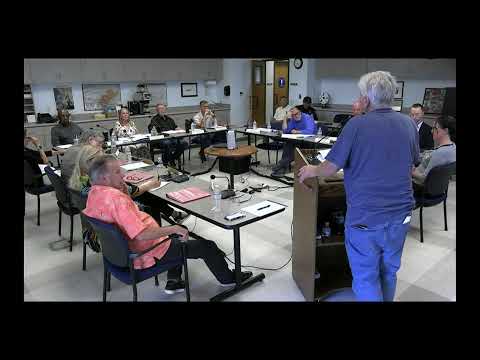
Board members and staff said the change responds to public requests for longer access to meeting recordings and follows a staff trial of live streaming. Staff reported an initial trial recording was posted to a Big Bear Fire Authority YouTube channel and that the authority installed a low‑cost camera (“an Owl” purchased for under $300) and a monitor in the apparatus bay to provide overflow capacity for audience members.
The board discussed whether recordings should remain on YouTube indefinitely or be removed after the retention period. Some members worried that relying on a third‑party platform could leave the authority without a permanent archive if the platform’s policies change; others said retaining copies internally ensures the authority meets its public‑records obligations regardless of external hosting.
After discussion the board clarified that the authority’s formal record‑retention policy will require staff to keep authority audio and video recordings for no less than four years. Staff was directed to continue live broadcasting and to create an internal archive to meet public‑records requests even if an external platform removes content.
The motion to adopt the four‑year retention policy passed on a roll call vote. The board also asked staff to review and, if needed, improve recording quality and to return with any budget or technical implications for archival storage and accessibility.
The policy change replaces the authority’s prior 90‑day retention practice and does not prevent staff from posting recordings to third‑party platforms for public convenience; the board emphasized the authority will maintain its own copy for at least four years regardless of external availability.
Details of the motion, roll call and implementation steps were recorded in the meeting minutes; staff said they will publish an implementation plan and report back with cost estimates and any recommended updates to the retention schedule.