Get Full Government Meeting Transcripts, Videos, & Alerts Forever!
Get email alerts on the Education Funding topic
No spam. Unsubscribe anytime.
Candidates say education funding must stay a borough priority as state aid tightens
Summary
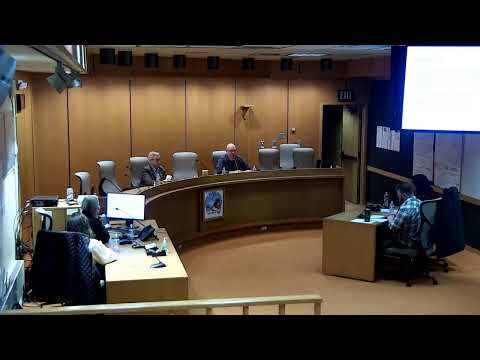
At the forum candidates repeatedly described KIBSD funding as the borough's top responsibility, urged seeking grants and new revenue sources, and warned residents that choices will be needed if state aid falls short.
Candidates at the Kodiak Island Borough forum called education the borough’s top fiscal responsibility and said they would prioritize stable funding for the Kodiak Island Borough School District amid potential state cuts.
Why it matters: School funding affects class sizes, programs and staffing; candidates said declining enrollment and volatile state support make long-term planning difficult and may force difficult budget choices.
Key points from the forum: - Christina Van Hoag Mode said the borough is limited by a legal cap on how much it can transfer and noted the borough gave about $13,000,000 to the district in the most recent budget cycle: "In our last budget, we gave about $13,000,000 to the school district... but it wasn't nearly enough... they had to withdraw $5,000,000 from their fund balance," she said. - Rob Lindsey emphasized that the school board prepares the district budget and the assembly then acts on it, adding the community must set priorities if funds are constrained: "I say it's up to the school board to prioritize it, and if we can't fit it within the budget, then we'll have to send it back." - Jeffrey Woods urged finding new revenue sources rather than increasing the mill rate, and he raised concerns about student performance metrics: "If your investments are underperforming... why are we essentially rewarding poor performance?" Woods said, citing low standardized math scores for older students. - Jeremiah Gardner said fiscal responsibility must be balanced with protecting education: "We need to make our children and their education an absolute number 1 priority... but we can't keep overspending."
What candidates proposed: Several suggested pursuing grants and federal funds, creating clear capital planning, and expanding the tax base by enabling economic development and housing to grow property tax revenues. Some candidates argued against raising the mill rate because it would disproportionately affect long-term homeowners.
Outstanding questions: Candidates did not give a single dollar figure they would commit beyond current patterns; several said the assembly lacks unilateral ability to decide school budgets and that the process requires coordination with the school board and state policymakers.