Get Full Government Meeting Transcripts, Videos, & Alerts Forever!
Get email alerts on the Housing topic
No spam. Unsubscribe anytime.
Kodiak candidates push opening borough land, zoning changes to ease housing crunch
Summary
Candidates at a Kodiak Island Borough forum said increasing buildable land, updating zoning and incentivizing development are top tools to address the borough's housing shortage; several suggested specific parcels and cautioned about infrastructure costs.
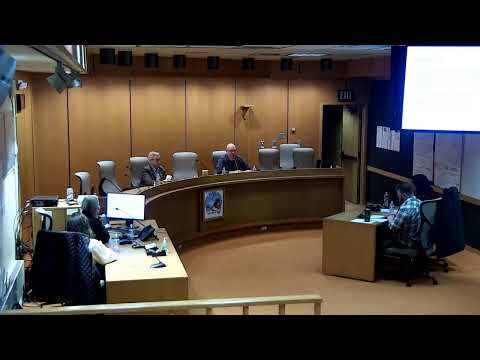
Candidates for the Kodiak Island Borough Assembly told a candidate forum that making more land available and changing zoning are the most practical ways to address the borough’s shortage of affordable homes.
At the forum, several candidates said the borough could help by releasing or rezoning existing borough-owned parcels and encouraging public–private partnerships to produce housing for residents rather than short-term rentals. "If the borough does sell land, covenant should be in place to ensure it's used for long term homeownership, not short term rentals," candidate Caroline Roberts said.
Why it matters: Candidates tied housing affordability to workforce retention, school enrollment and the borough tax base. Multiple speakers said new development could expand the tax base and thus create revenue to support services, but cautioned that infrastructure costs — water, sewer and roads — drive up development costs.
Details from the forum: - Jeffrey Woods said borough-owned road-system land could be opened for development and recommended a "hefty public comment period" to choose which areas to develop. He pointed to roughly 257 acres near Resinoff and Mountain View as potential opportunities. - Jeremiah Gardner identified roughly 300 acres behind Dark Lake and land beyond "Dead Man's Curve" as places that could be developed near existing infrastructure, but he emphasized the need to plan for utilities: "All those things need to be thought far ahead and in advance so that we can make some sort of modular system..." Gardner said. - Rob Lindsey, a former planning and zoning commissioner, said wastewater capacity and the cost of installing utilities will limit where the borough can feasibly open land: "Whatever we do to upgrade or replace the city wastewater treatment system is gonna be key to opening up any of the areas that are close to town."
Several candidates also endorsed mixed-use zoning, RR1 (single-family) lots with accessory units, and targeted incentives for first-time buyers and for filling vacant houses. Christina Van Hoag Mode suggested using short-term rental fees to support long-term housing programs: "We currently tax our short term housing... I think it'd be good if that went to support long term housing as well."
What remains unresolved: Candidates agreed on the need to open land but differed on where to prioritize and how much the borough should invest directly versus relying on private developers or partnerships with native corporations and federal partners such as the U.S. Coast Guard. Multiple speakers said any major expansion must include funding plans for sewer, water and roads.
Looking ahead: Candidates said land-use planning, an updated capital plan for utilities and targeted incentives should be priorities for the next assembly to advance new housing projects.