Get Full Government Meeting Transcripts, Videos, & Alerts Forever!
Get email alerts on the Economic Development topic
No spam. Unsubscribe anytime.
Laguna Beach mayor: zoning, parking and permit delays slow downtown openings; council moving to streamline process
Summary
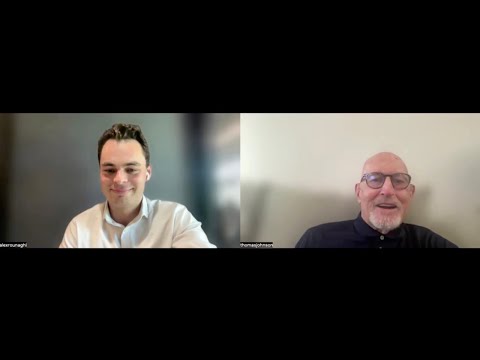
Mayor Alex Unagi told the Fair Game Laguna podcast that downtown vacancies reflect a regulatory process that is slowing new businesses. The city is editing its zoning code, revising parking rules and reducing reliance on conditional use permits to speed openings, and staff now reports application timelines monthly.
Mayor Alex Unagi said Laguna Beach’s downtown vacancies are driven in part by a slow, unpredictable permitting and zoning process and that the city is working to speed approvals to attract small businesses.
Unagi, speaking on the Fair Game Laguna podcast, said the council is revising the city’s zoning code, revising parking requirements and shifting some uses to “by right” approvals so fewer new businesses must go through the conditional use permit process. “What we're doing is we're streamlining our zoning code. We're making it easier to comply with the parking requirements, but then also looking at ways to make more uses by right over the counter, as opposed to through our...CUP process,” Unagi said.
Why it matters: downtown vacancies reduce foot traffic and lower sales-tax and property-tax revenue. Unagi said prospective owners and operators frequently tell city officials they did not expect Laguna Beach’s approval timeline and would not have opened a business if they had known how long it would take.
Unagi described elements he said add time and uncertainty: parking rules tailored to cities with abundant surface parking, an application process that requires detailed staff calculations, and conditional use permits that require planning commission review and are harder for small operators to navigate. “If I wanted to open up a business in Laguna Beach and I need a conditional use permit, what would that take?” he asked. He added that chain businesses with legal and consulting resources can manage the current process, but the city wants to remove barriers for small, local businesses.
The mayor said the council now receives a monthly report from the community development (planning) department showing application timelines and that the trend is improving but “they need to move at a much quicker pace.” He said he spent a day working behind the community development counter to observe the process, and the city has hired an economic consulting firm to help publicize regulatory changes and attract prospective tenants.
Examples named in the discussion included business owners and openings referenced by Unagi: Zach Cornwall (Wig Sandwich), Golden Spoon, Truly Pizza and the city-owned Tiamo property in South Laguna. Unagi cautioned that the primary work is making the approval process predictable and timely; publicizing changes is the next step.
Tom (host, Fair Game Laguna) also emphasized outreach: “Get the word out,” he said, referring to the need to change perceptions once procedures are streamlined.
No formal vote or ordinance was announced on the podcast. Unagi described the changes as actions the council is pursuing and reiterated that the timeline reports and zoning revisions are underway.
Ending: City officials did not provide specific timeline targets or numeric measures of reduced approval times during the conversation. The planning department’s monthly timeline reports and any formal code amendments will establish concrete deadlines and procedures for applicants when published by the city.