Get Full Government Meeting Transcripts, Videos, & Alerts Forever!
Get email alerts on the Employee Benefits topic
No spam. Unsubscribe anytime.
Fulton County approves $5,000 parity audit of employee health plan
Summary
County council approved a $5,000 third-party NQTL analysis of the county’s self-funded group health plan and a plan to pay the vendor from the health-and-benefits fund; annual monitoring fee of $2,500 was also authorized as a potential ongoing cost.
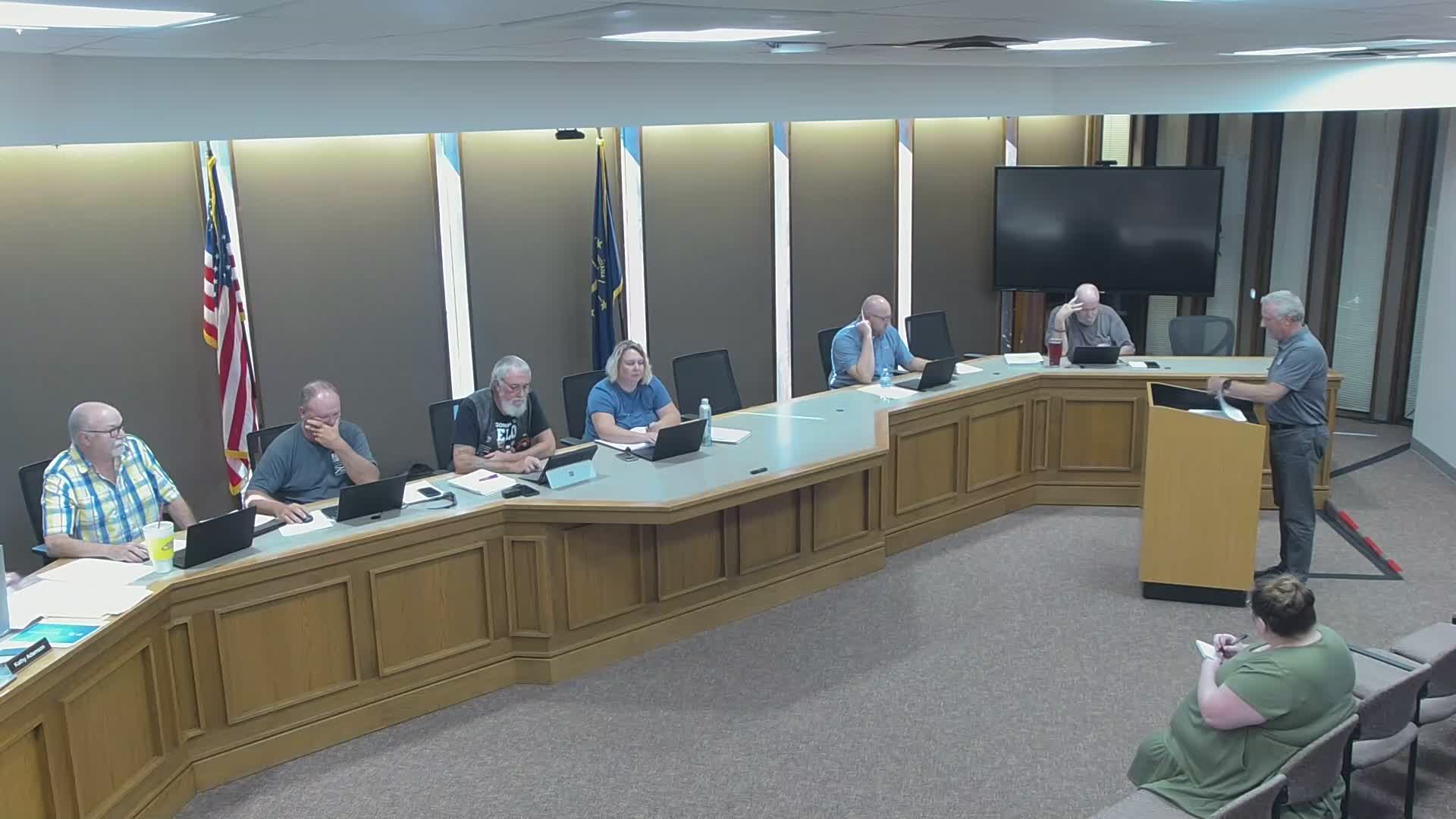
Fulton County Council voted Sept. 16 to pay a vendor $5,000 to perform a non‑quantitative treatment limit (NQTL) analysis of the county’s self‑funded group health plan and to authorize a possible $2,500 annual follow-up review.
The vendor will review the summary plan document and other plan materials to identify language or administrative practices that could create unequal treatment for mental health and substance use disorder benefits. The consultant will report findings to the county insurance committee and then to the council for any needed changes.
County staff presented the review as required by federal enforcement guidance tied to the Mental Health Parity requirements and subsequent rules reinforced by the Consolidated Appropriations Act. County staff warned that the U.S. Departments of Labor, Health and Human Services and the Centers for Medicare & Medicaid Services (CMS) may request an NQTL analysis; the county could face an excise tax penalty of $100 per day per employee if it cannot produce a requested analysis.
Darren Longenecker, who presented the item to the council, said the analysis is detailed and recommended hiring a disinterested third party rather than trying to complete it internally. "When we did our audit for you, we saw that this needed to be addressed," Longenecker said, noting other counties have found problematic limits in areas such as gender‑affirming care and prior authorization requirements.
Longenecker told the council the analysis typically takes about nine months; the county’s staff also reported that most vendors quoted about $10,000 for a one‑time NQTL analysis but the county located a vendor willing to perform the initial review for $5,000 plus a $2,500 annual monitoring fee.
Council members approved two related motions: first, to authorize the NQTL study; second, to pay the vendor using money currently budgeted in the county’s health‑and‑benefits accounts and to transfer funds from that account to contracts as needed. Both votes were 6–0.
The presenter said the county will take the vendor’s report to the insurance committee and then to the full council for any recommended plan changes. He also noted the county is already past a self‑stated deadline (Dec. 31, 2024) for completing such an analysis and said the vendor’s timeline means the county may not see completed results until the following spring.
Council action and budget transfers for the vendor payment were approved during the meeting; staff said they will return with the vendor’s report and any recommended plan changes.
The vote record, supporting documents and the eventual vendor report will be placed on the county record when available.