Get Full Government Meeting Transcripts, Videos, & Alerts Forever!
Get email alerts on the Public Participation Policy topic
No spam. Unsubscribe anytime.
Board moves forward with first reading of revised public‑participation policy after heated public comment
Summary
The board advanced a first reading of a revised public‑participation policy (Policy 0167) that adds a six‑minute speaking allotment and clarifies acceptable conduct. Public commenters, legal advocates and board members debated whether the draft restricts constitutionally protected political speech.
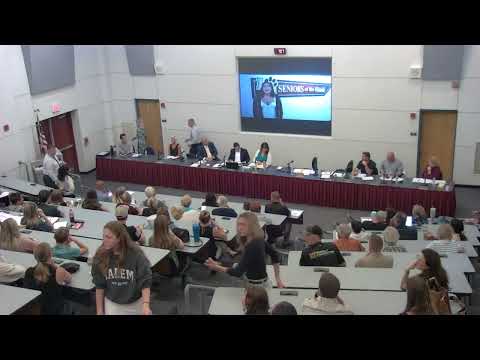
The Lacey Township Board of Education held a first reading and vote on revisions to Policy 0167, the district’s public‑participation rules, at its Sept. 16 meeting after extensive public comment that accused the draft of chilling free speech.
The proposed changes add a six‑minute time limit for individual public commenters, define “acceptable public behavior” at meetings, and include provisions that would allow the board president to stop or remove speakers who are disruptive, repetitious or who stray from the agenda. Board members indicated the revision came from recent committee review and legal counsel; Dan Bell reported the policy committee had met Sept. 10 and recommended the updates.
During public comment several residents urged the board to reconsider the language. Richard Bidnick, describing himself as a member of Lacey Citizens for Responsible Government, warned that clauses prohibiting “campaigning for or against political candidates or ballot measures” and language on allegedly defamatory speech could run afoul of constitutional protections. “Political speech is core protected speech,” Bidnick said and warned of legal challenges if the board adopted overly broad restrictions. Regina DeCenzo said she had reported the draft to the ACLU and called particular provisions unconstitutional.
Board members responded with legal citations supporting the board’s authority to maintain order. A board attorney (cited by the president during the meeting) noted courts allow a public body to control proceedings in a content‑neutral way to stop speakers who are disruptive, repetitious, or irrelevant and cited precedent upholding removal of disruptive attendees. The board president also asked the public to remember the meeting rules and said the changes are intended to ensure orderly public participation.
On the first reading, boardmember Sal Armato said he would vote no on the first read of item 18 (the revised public‑participation policy) but yes on item 19 (a related regulation). The roll call recorded in the meeting transcript shows Armato voting no on the first read while the majority voted yes; the first reading therefore advanced. The policy remains subject to a second reading and further amendment.
Speakers at the meeting recommended the board post drafts with origin attribution (attorney‑recommended edits vs. district‑drafted language), publish comparative language showing before/after text, and delay final action until the public has had time to review posted materials. Board members agreed the draft could be revised after the first read and noted there would be additional opportunity for amendments prior to final adoption.