Get Full Government Meeting Transcripts, Videos, & Alerts Forever!
Get email alerts on the Modular Classrooms South Terrebonne topic
No spam. Unsubscribe anytime.
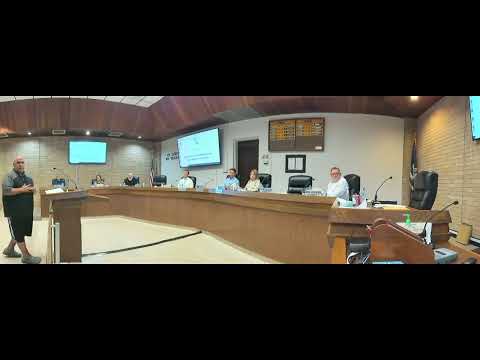
Committee approves modular classroom site work for South Terrebonne; members debate modulars vs. permanent construction
Summary
The committee recommended awarding the South Terrebonne High modular classroom site work to Thompson Construction Co. for $548,000 (plus a $23,000 alternate) and established a $619,515 budget; members engaged in extended debate about modular versus permanent construction, FEMA portables, ADA restrooms and options to rent or build permanent space.
The Buildings, Food Service & Transportation Committee recommended that the full board accept the lowest responsive bid for site work for a modular classroom installation at South Terrebonne High School from Thompson Construction Company Inc. in the amount of $548,000, and accept an alternate for $23,000 to add an adjoining canopy; the committee established a total project budget of $619,515 to be funded from the building fund and authorized the board president or superintendent to sign documents required to move forward.
Committee discussion that followed was lengthy. Staff and members clarified the project replaces a portable classroom that had deteriorated before and after Hurricane Ida and that the project was not classified as FEMA storm replacement because the units had not met FEMA’s 50% replacement threshold. Staff described the new modular placement as intended for special education students; the larger modular unit (24 by 64) will include ADA-compliant restrooms. Presenters said they had solicited multiple bids (six submitted) and had coordinated with the fire marshal and modular supplier; staff expects delivery and occupancy could occur in November–December if the procurement and manufacture timeline hold.
Several committee members raised objections and alternatives: some urged pursuing a permanent two‑story addition (6–8 classrooms) to avoid future modular replacement; others suggested extending leases on existing rental modular units or buying FEMA units currently on-site. Staff explained FEMA-related restrictions: once FEMA funded rentals and the main project completes, FEMA expects temporary campuses to end; buying or retaining FEMA-leased units carries depreciation and repayment implications. Committee members noted time constraints — building permanent brick-and-mortar additions could take several years, while modulars can be installed more quickly to provide compliant classroom and restroom space by January.
The committee moved and seconded the recommendation to accept the Thompson Construction bid and the alternate; after debate and a request to explore additional options and to return to the full board or committee with answers by the October board meeting if needed, the recommendation carried in committee and will be forwarded for final action.