Get Full Government Meeting Transcripts, Videos, & Alerts Forever!
Get email alerts on the Business Permits topic
No spam. Unsubscribe anytime.
Commission approves conditional use for electrical/generator business after debate over invoking conditional-use in residential zones
Summary
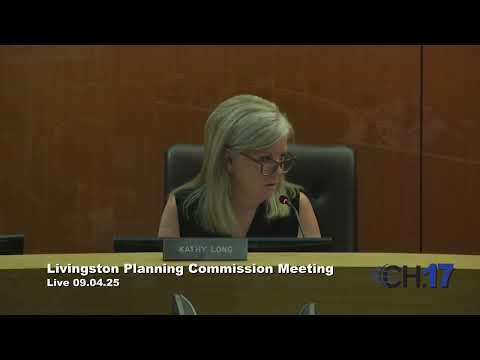
The commission approved a conditional use permit and preliminary site plan for Electrical & Generator Company LLC, but the item drew prolonged debate about whether conditional uses should be used in residential zones instead of rezoning.
The Livingston Parish Planning Commission voted to approve a conditional use permit and to advance the preliminary site plan for Electrical & Generator Company LLC, a business proposing offices, warehouse and generator service in a parcel zoned R2. The conditional use approval was contested in discussion but ultimately passed by majority vote.
Applicant representative Rudy Simcoe of Macklin Taylor described the business as a generator sales and installation operation with office and warehouse space. Neighbors and several commissioners debated whether the proposed use — described by staff and applicants as largely wholesale/service, not retail — fits the conditional‑use standard in a residential zone or whether the applicant should pursue a rezoning to a commercial classification.
Commissioner Burns raised repeated concerns about using conditional‑use approvals in residential zones for commercial operations that will draw patrons from outside the neighborhood, arguing that repeated use of conditional permits could effectively amount to spot zoning. Planning staff and multiple commissioners responded that the parcel sits in an area identified on the anticipated future land‑use map as a rural corridor or corridor for transition, and that the business performs services used by local residents (generator sales and installations), not a high‑traffic retail destination.
Several commissioners, including Erin (public commenter/commissioner), voiced support, noting the business would generate local jobs and tax revenue and that the site plan included buffers and an eight‑foot solid fence along adjacent residential property lines.
On the conditional use motion, the roll call recorded the majority in favor; Mister Burns cast the lone recorded “no” vote. The commission subsequently closed the public hearing on the preliminary site plan and voted to move the plan forward after staff confirmed that planning comments had been addressed.
The commission’s action permits the applicant to move to the next planning stage to finalize engineered plans and to secure building and infrastructure approvals. Commissioners asked staff to ensure required buffers, the solid fence adjacent to residences and screening be reflected in conditions and in the forthcoming site plans.
The applicant and planning staff committed to continued communication with neighbors about tree preservation and fencing.